


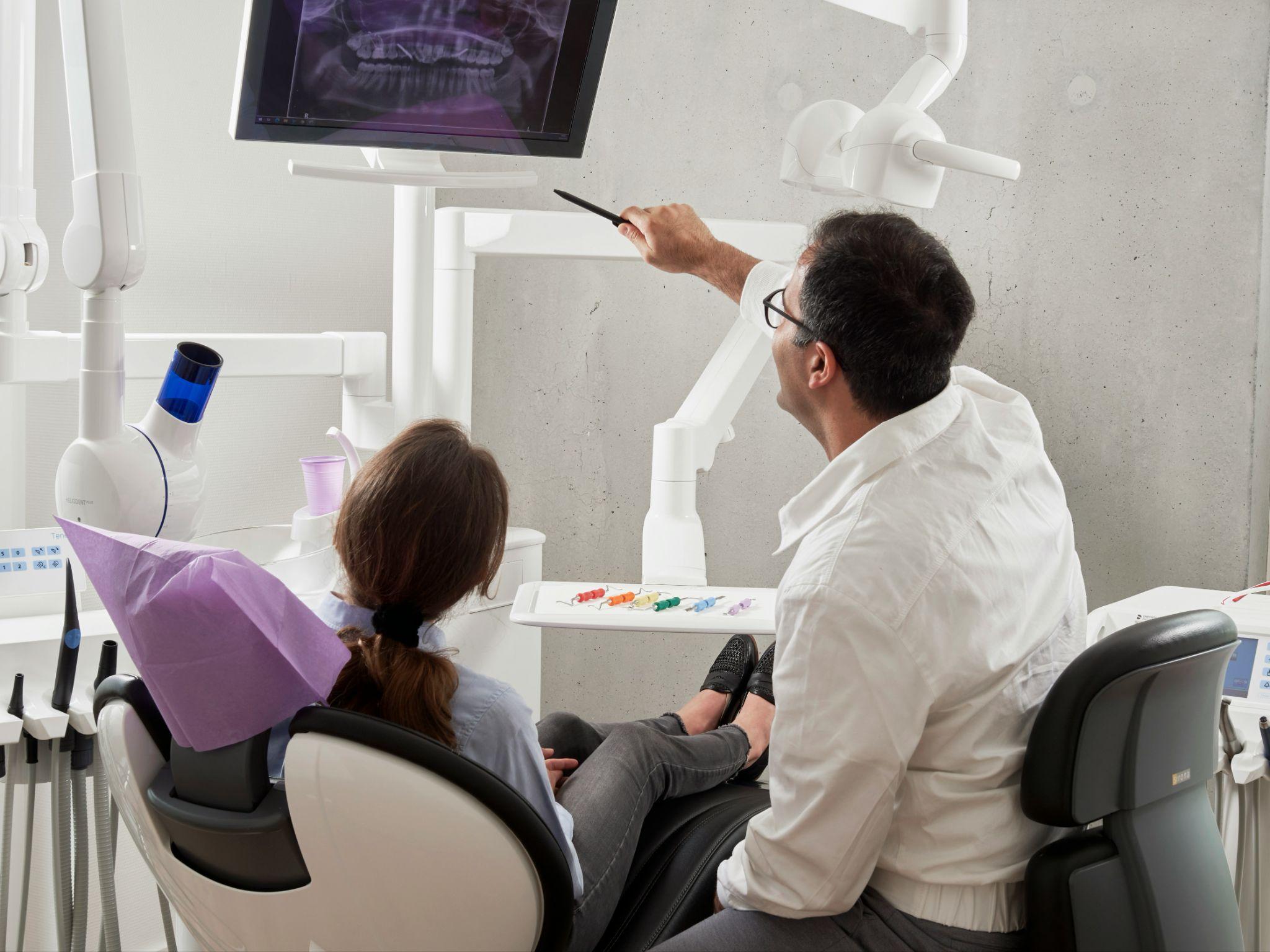
Finding a new family dentist involves more than choosing the closest clinic or finding an available appointment. A dental practice may become part of your family’s healthcare routine for years, making it important to consider how well it accommodates different ages, schedules and individual treatment needs.
For parents, the decision can be particularly important. Young children may need extra reassurance during appointments, teenagers may have changing dental needs, and adults may require everything from routine cleanings to restorative treatment. Finding a practice that can accommodate these differences can make ongoing dental care easier to manage.
Before registering, it helps to understand which questions to ask, how appointments are organized and what normally happens during an initial examination. Taking a little time to compare options can help families establish a comfortable relationship with their dental team.
Look for a Practice That Can Accommodate the Whole Family
A family dental practice should be able to address the needs of patients at different stages of life. Children typically require preventive care and monitoring as their teeth develop, while adults may need treatment for existing dental problems or changes that occur over time.
Continuity can be particularly valuable when several family members attend the same clinic. Familiarity with previous treatment, dental records and individual concerns can make future appointments easier to organize.
For families in North Vancouver, Lolo Dental offers care for children, teenagers and adults, with services that include preventive dentistry, examinations and restorative treatments. Having different services available at one practice can simplify scheduling and help families maintain consistent dental care.
However, convenience should not be the only consideration. The way a practice communicates, handles individual concerns and explains treatment options is equally important when choosing a long-term dental provider.
Ask About Appointments, Costs and Emergency Care
Practical questions are worth addressing before booking an initial appointment. Opening hours, appointment availability, parking and accessibility can all influence whether a clinic works for the family’s regular schedule.
Parents may also want to ask whether multiple family members can book appointments on the same day. This can reduce the time spent arranging separate visits, particularly when children need transportation or parents must take time away from work.
Understanding payment arrangements is just as important. Ask whether the clinic accepts your dental insurance, offers direct billing and provides treatment estimates before procedures begin. Insurance coverage can vary, so patients should confirm which costs they may need to pay themselves.
It is also useful to understand how the practice handles dental emergencies. Toothaches, broken teeth and dental injuries do not always occur during regular appointment hours, making clear information about urgent care valuable.
Find Out How the Practice Approaches Children’s Dentistry
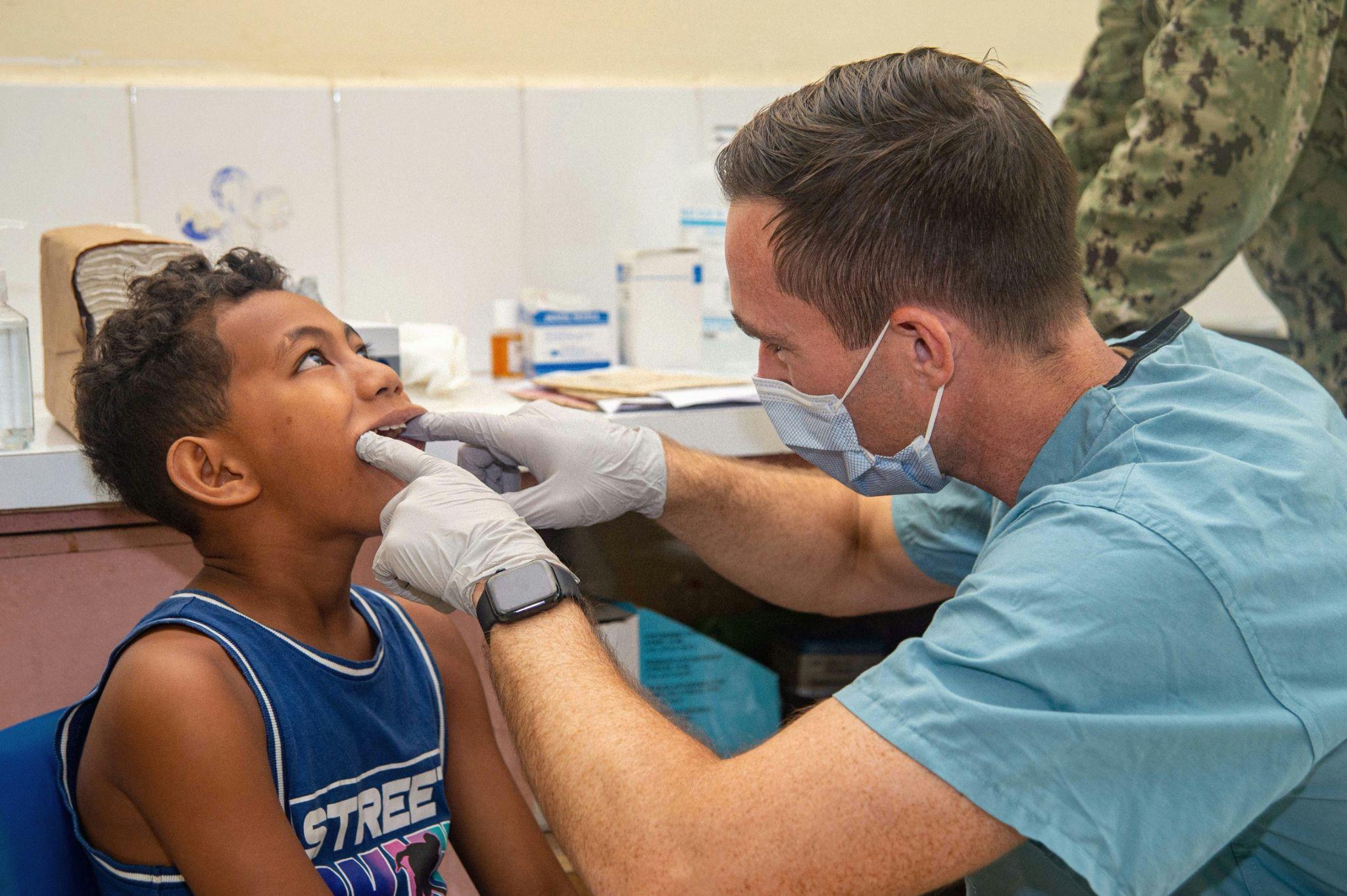
A child’s early experiences with dental care can influence how comfortable future appointments feel. A family dentist should be able to communicate in an age-appropriate way, explain unfamiliar procedures and allow time for children who are nervous or hesitant.
Parents can ask how the clinic introduces younger patients to examinations and whether additional time can be arranged when necessary. It may also help to explain any previous difficulties, sensory sensitivities or specific concerns before the appointment.
The Canadian Dental Association provides information about dental care and choosing a dentist, including considerations for families with children and patients with individual healthcare needs.
Early dental visits are not solely about identifying cavities. They also provide an opportunity to monitor development, discuss brushing techniques and establish preventive habits that can continue as children grow.
Know What Happens During the First Appointment
A first dental appointment generally begins with reviewing the patient’s medical and dental history. The dental team may ask about existing conditions, medications, allergies, previous treatment and any current symptoms.
The dentist will usually examine the teeth, gums and surrounding oral structures. Depending on the patient’s history and clinical needs, the examination may also include an assessment of the bite, existing restorations and signs of tooth decay or gum disease.
Dental X-rays may be recommended when they are clinically appropriate, particularly if additional information is needed about areas that cannot be examined directly. A professional cleaning may also take place during the same visit, although some practices schedule hygiene appointments separately.
The initial appointment is an opportunity to discuss concerns rather than simply complete an examination. Patients should feel comfortable asking about findings, recommended treatment and any further appointments that may be necessary.
Pay Attention to Communication and Treatment Planning
Clear communication is an important part of a good relationship with a dental practice. Patients should understand what a dentist has identified, why treatment is being recommended and what alternatives may be available.
When a procedure is proposed, asking about its purpose, expected outcome, possible risks, recovery requirements and estimated cost can help patients make informed decisions. More extensive treatment may require several appointments, so understanding the likely schedule is also useful.
The same principle applies to preventive care. Recommendations concerning brushing, flossing, professional cleanings and follow-up examinations should reflect the patient’s individual needs rather than automatically following an identical schedule for everyone.
A first appointment also provides an opportunity to assess whether the practice is a comfortable environment for the family. Feeling able to discuss concerns and ask questions can make future visits more straightforward.
Prepare for the Visit and Think Beyond the First Appointment
Preparing a few details in advance can make the initial appointment easier. Patients should bring relevant insurance information, a current medication list and any documents requested by the clinic. Previous dental records or X-rays may also be useful if the new practice requests them.
Parents can help children prepare by explaining what a dental examination involves in simple, reassuring language. Avoiding frightening descriptions and allowing children to ask questions can help make the experience less intimidating.
After the appointment, consider whether the practice meets the family’s practical and clinical needs. Appointment availability, communication, accessibility and the clarity of treatment recommendations all contribute to the overall experience.
Choosing a family dentist is ultimately about establishing a relationship that supports ongoing oral health. A suitable practice should make preventive care manageable, respond appropriately when dental problems arise and accommodate the family’s needs as they change over time. The first visit provides an opportunity to establish that relationship and decide whether the clinic is the right place for future care.