





Introduction
How do we know our dentists are following the standard of care when they treat us? For a competent and ideal dentist, the standard of care would be a no-brainer. In both ethical and legal contexts, the standard of care in general dentistry encompasses adherence to professional guidelines, responsiveness to patient needs, and ongoing engagement with contemporary standards. As a Texas-licensed dentist who leads her own practice, I strive to provide comprehensive, high-quality dental care to my patients, adhering to the highest standard of care. I value my patients’ time and treat them with respect and compassion, just like I would my family.
Through this piece, readers can accurately interpret the key components and practical applications of the standard of care in dentistry.
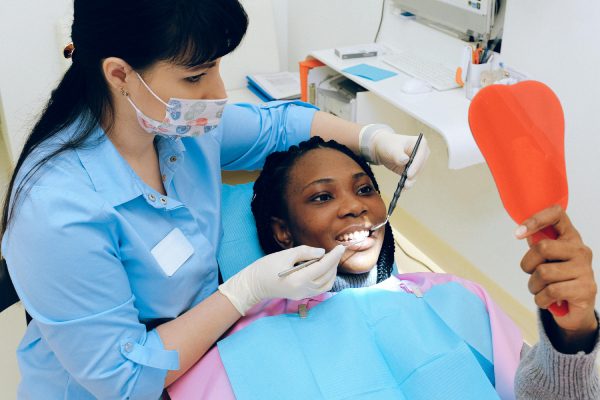
What is the Standard of Care?
The standard of care determines all duties that a conscientious dentist must conduct for their patients, consisting of both general and specific details to be mindful of. As a patient, it’s well within your rights to ensure that your dentist:
- Provides treatment that falls within current scientific knowledge.
- Keeps up with the latest trends in medical equipment and available resources.
- Is aware of their state’s law regulations and proper code of conduct.
A malpractice claim alleging that a dentist failed to meet the standard of care cannot rest on patient dissatisfaction alone. To prevail, a patient must establish negligence of the duty of care, a deviation from applicable professional standards, resulting injury or exacerbation of an existing condition, and a proximate causal link between the deviation and the harm suffered. In most cases, expert testimony is essential to proving or refuting allegations of dental negligence.
Core Components of Standard of Care
A. Evidence-Based Dentistry
According to the American Dental Association (ADA), Evidence-based dentistry (EBD) insists that all oral treatments must integrate scientific evidence, a dentist’s clinical expertise, and their patient’s preferences. These ADA Clinical Practice Guidelines have been put in place after a holistic analysis of evidence and the benefits of the best alternative care options available today.
B. Informed Consent
In congruence with all medical treatments, informed consent is a legal and ethical requirement for every dental procedure. As a patient, it falls within your rights to know about your diagnosis, treatment options, risks involved, benefits, and alternative treatment options. Moreover, a dentist is obligated by law to answer every question their patient has about treatment. For dentists, it’s helpful if you keep a note of your observations and discussion with the patient in their health record. This guarantees a transparent and fair transaction of medical consultancy and subsequent treatment.

C. Proper Documentation
Patient records are considered the holy grail as far as oral treatments go. These records can help patients receive dental benefit claims and file for a lawsuit if required. In the eyes of the law, patient records are legal documents that contain personal data, medical history, diagnosis, treatment details, and progress notes. To assess correct progress and informed consent, dentists should make it a practice to review and audit the records regularly.
D. Diagnostic Records
As a dentist, the best way to avoid malpractice is to maintain accurate diagnostic records. They must include correct procedure codes for billing, dated progress and treatment notes, diagnostic charts, medical prescriptions with directions for use, radiographs, photographs, post-operative instructions, and follow-up visit documentation. Courts heavily examine these records to determine whether a dentist upheld clinical guidelines and the established standard of care.
Dynamic Nature of Standard of Care
As technology advances, the standard of care for general dentistry evolves as well. With new court rulings, upgraded materials, and revised procedures, the consensus towards the standard of care is increasingly dynamic. For instance, current iterations of general dentistry show a clear preference for dental implants over traditional bridges as the new standard. Moreover, the accepted norms for the standard of care vary from state to state. The standard of care in rural contexts might significantly differ from urban procedures due to a lack of specialists and resources. However, most legal institutions have done away with the locality rule to accommodate a “reasonably prudent standard” of dental practice. This means opting for tailored treatment procedures instead of going for customary practices that are now arbitrary.
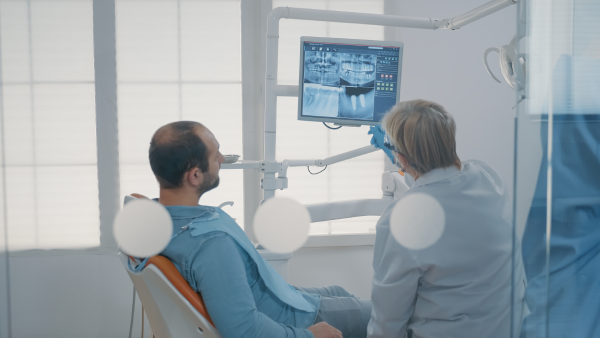
Practical Application in Daily Practice
The best practice to ensure the standard of care is asking yourself, “Is this treatment in the patient’s best interest?” A dentist should provide reasonable treatment while matching their patient’s expectations with realistic predictions and not baseless guarantees. As a Texas-licensed dentist focusing on general, digital, and removable dentistry, this is my checklist:
- Document everything thoroughly and consistently.
- Stay informed about new treatments and state interpretations.
- Implement quality assurance processes.
- Seek continuing education.
Applying the standard of care is also about communication and respect. I make it a personal priority to discuss diagnoses, treatment options, and expectations clearly with patients. Drawing from both my clinical and teaching roles, I firmly believe that informed and engaged patients are essential to delivering the kind of patient-centered care that truly matters.
Conclusion
The standard of care functions as both a legal safeguard and a professional commitment for dentists. A competent dentist remains informed on ongoing research, upholds documentation standards, and communicates effectively with their patients. A dentist fails their vocation when they view the standard of care as a way to avoid lawsuits, and not optimal patient care. Ultimately, upholding the standard of care is instrumental for public health and transparency in medical consultancy.
Frequently Asked Questions
Not particularly. The standard of care is a dynamic and evolving principle that is determined by the best possible course of action that any prudent dental practitioner would adopt in similar circumstances. The standard of care in dentistry is often distinguished through peer consensus and expert testimony in legal trials.
No. If a general practitioner performs a specialty procedure like surgical extractions or molar endodontics, then they are legally bound to the same standard of care afforded to the specialist in that particular field.
Dental boards often evaluate cases pertaining to professional discipline, while courts and juries issue verdicts on malpractice claims. However, expert witnesses with advanced field experience and legal comprehension, like Dr. Brenda Appiah, help explain the clinical standard of care.
Dr. Brenda Appiah is a Texas-licensed dentist at Plano Modern Dentistry. Her practice focuses on general dentistry, digital dentistry, Invisalign, and removable dentistry. She has a Doctor of Dental Surgery from Texas A&M University College of Dentistry, a Master’s of Public Health from UT Health Science Center, and a Master’s in Education for Healthcare Professionals from Texas A&M University.