


Two clinics can quote the same All-on-4 treatment and land thousands apart. Sometimes one clinic simply charges more. Sometimes, the two quotes cover different stages, materials or services, and the patient has no easy way to tell.
A good full-arch quote should leave you knowing what you’ll get, what it will cost from first scan to final teeth, and what could change along the way. Here’s what to look for before you sign anything.
Start With the Total, Then Ask What Sits Outside It
The most useful question you can ask is also the simplest: is this the full price? Pricing formats vary. Some practices itemize each stage, listing scans, sedation and the final bridge as separate charges. Others bundle treatment into one package price. The Sarasota, Florida practice at www.anytimedentalimplantcenters.com advertises flat, all-inclusive full-arch pricing, with 3D imaging included at its free consultation. Either format can help you compare costs as long as it’s transparent. With a package, ask for a written list of what it includes and excludes. With an itemized quote, make sure every stage of treatment appears on it.
A vague quote isn’t necessarily a dishonest one. Full-arch treatment happens in stages, and the final cost depends on details a clinic may not know until it has examined you. Still, if the number on the page doesn’t match the number you’ll eventually pay, comparing it with another quote tells you very little.
The Line Items Worth Checking
Scans and surgical planning
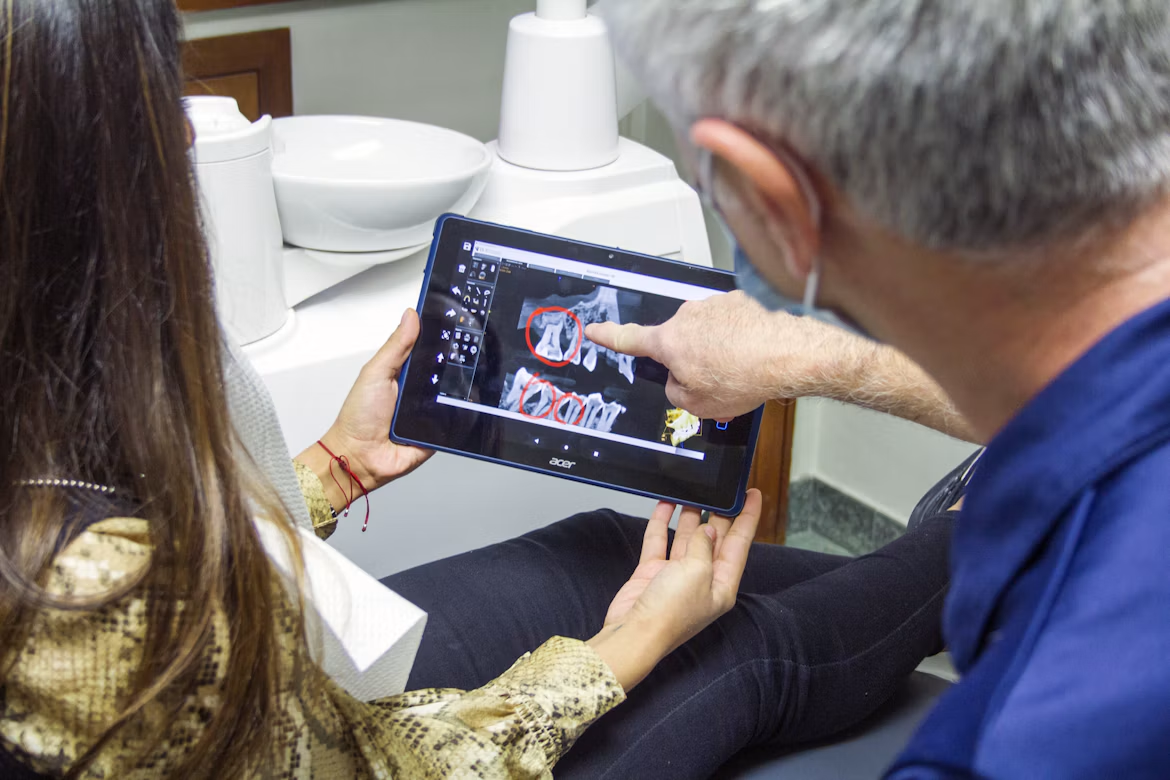
Most All-on-4 cases begin with a cone beam CT (CBCT) scan, which shows bone volume and the position of nerves and sinuses in three dimensions. Many clinics also use that scan to design a surgical guide that helps direct where each implant goes. Check whether the scan, the planning appointment and the guide sit inside the quote or get billed separately.
The surgery itself
The All-on-4 concept uses four implants per arch. If a clinic recommends five or six, you’re looking at a different full-arch approach, so ask whether additional implants would change the quoted price. The quote should also list extractions and any bone grafting.
Anesthesia and sedation deserve their own line. Local anesthesia numbs the treatment area, while sedation reduces anxiety and awareness, with effects that depend on the level used. Many full-arch surgeries use both. Find out which the quote includes and who administers the sedation.
Ask which implant brand and model the clinic plans to use. The U.S. Food and Drug Administration advises patients to find out the brand and model of their implant system and keep that information on file. It sounds like a small detail until a component needs replacing years later and you’re sitting in a different dentist’s chair.
Temporary teeth and the final bridge
This is where quotes can differ the most. Patients who meet the criteria for immediate loading may receive a fixed temporary bridge on surgery day. If immediate loading isn’t suitable for you, ask what temporary replacement the quote includes while the implants heal. The final bridge comes later, once the implants have integrated with the bone. A quote that only mentions “fixed teeth” may cover the temporary and nothing more.
Check the parts that connect everything, too. Abutments link the implants to the bridge, and the bridge itself is made by a dental laboratory. Ask whether abutments and laboratory fees are included.
Material matters as well. Final bridges are commonly made from acrylic over a metal framework or from zirconia. Zirconia tends to cost more, while acrylic is easier to repair if it chips. Neither is automatically the better choice, but the quote should name the material so you know what you’re comparing.

Aftercare, Adjustments, and the Warranty
Treatment doesn’t end when the final bridge goes in. You’ll need follow-up visits to check healing and fine-tune your bite, so ask how many of those the price includes. Full-arch restorations also need ongoing professional maintenance. Ask about the recommended maintenance schedule, what each visit costs, and when the bridge might need to be removed.
Read the warranty slowly. Check what it covers (the implants, the bridge, or both), how long it lasts, and what conditions apply. Many warranties require regular maintenance appointments, so skipping them could void your warranty coverage. Ask one more question here: who pays for additional treatment if an implant fails before the final bridge is fitted?
How to Compare Two Quotes Fairly
Once you have quotes from two or three clinics, identify differences in the number of arches, implants and final bridge material before comparing totals. If you’re still getting a feel for typical figures, Dentaly’s guide to dental implant costs in the US gives useful context.
Then look past the headline figure. How long does the quote stay valid? When is payment due? If you finance treatment, ask about the APR, any fees, the repayment term and the total amount you’ll repay. Finally, ask how changes to the treatment plan are authorized and priced, so nothing gets added to your bill without your agreement.
A quote that answers these questions before you ask them is usually a good sign. One that dodges them tells you something too.