


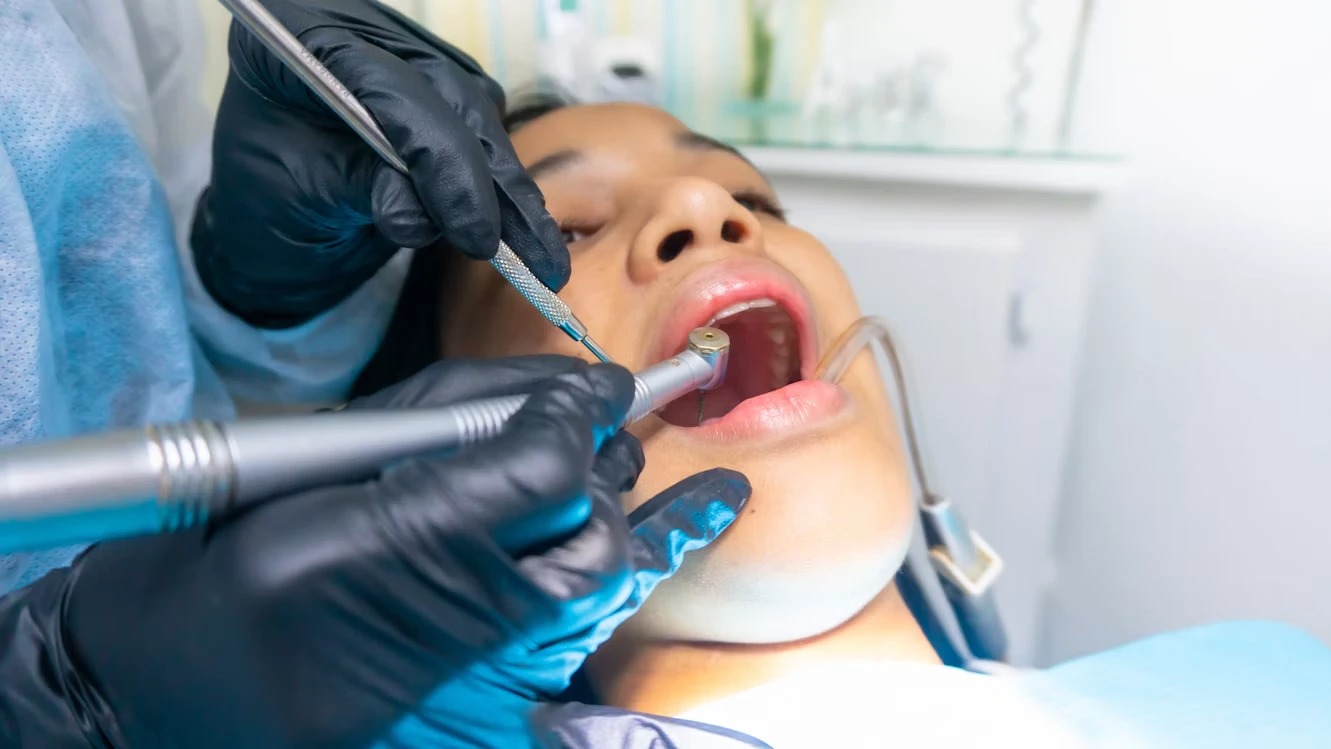
If the thought of a dental appointment makes your heart race, you’re far from alone. Dental anxiety ranges from mild nerves in the waiting room to fear strong enough to keep people away for years.
The encouraging news is that dental anxiety is well understood, and there are practical, proven ways to make appointments easier.
How Common Is Dental Anxiety?
Very common. A study published in the Journal of the American Dental Association found nearly three out of four adults fear going to the dentist. For some, that fear is mild. For others, it shapes their entire relationship with dental care.
The impact is real. Research shows that people with dental anxiety often avoid or delay appointments, which leads to worsening oral health and a poorer quality of life. That can create a cycle: avoiding the dentist leads to bigger problems, which require more involved treatment, which increases anxiety.
Where Dental Fear Comes From
Understanding your fear can help you manage it. Common sources include:
- Past experiences. Prior research shows more than half of people with high dental fear have had negative dental experiences, often as a child or adolescent.
- Fear of pain. Needles and drilling are frequently named triggers.
- Loss of control. Lying back, unable to speak, with someone working in your mouth can feel vulnerable.
- Embarrassment. Some people worry about being judged for the condition of their teeth, especially after a long gap between visits.
- Sensory triggers. The sounds, smells and bright lights of a dental clinic can all add to stress.
Choose a Dentist Who Takes Anxiety Seriously
The right practice makes a big difference. Look for a team that welcomes nervous patients, explains every step and never makes you feel rushed. Practices such as Tkatch Dentistry that offer a range of comfort options can help anxious patients feel more in control from the first visit.
When contacting a practice, it’s fine to ask:
- How do you help patients with dental anxiety?
- Can I meet the dentist before any treatment?
- What sedation or comfort options do you offer?
Tell the Team How You Feel
This is one of the simplest and most effective steps. Let the receptionist know when you book, and tell the dentist and hygienist at the start of your appointment. A good team will adjust its approach, slow down and check in more often.
You don’t need to explain or justify your fear. A simple “I get really anxious at the dentist” is enough.
Agree on a Stop Signal
Feeling trapped in the chair is a major source of anxiety. Before treatment begins, agree on a signal, such as raising your hand, that means “please pause.” Knowing you can stop at any time often reduces anxiety, even if you never use the signal.
Practical Tips Before and During Your Visit
- Book a morning appointment. Less time to worry during the day.
- Avoid caffeine beforehand. It can heighten feelings of nervousness.
- Bring headphones. Music or a podcast can block out clinic sounds.
- Practice slow breathing. Breathing in slowly and breathing out even more slowly can calm your nervous system.
- Start small. If you’ve been away for a while, begin with a check-up and cleaning before tackling bigger treatment.
- Ask for explanations. Some people feel better knowing exactly what’s happening. Others prefer not to know the details. Tell your dentist which you prefer.
Sedation Options
For moderate to severe anxiety, sedation can make treatment much more manageable. Common options include:
- Nitrous oxide (“laughing gas”). Inhaled through a small mask, it helps you relax and wears off quickly, so many patients can drive themselves home.
- Oral sedation. A prescribed medication taken before your appointment. You’ll be awake but very relaxed and will need someone to drive you.
- IV sedation. Delivered through a vein for a deeper level of relaxation, typically for longer or more complex procedures.
Your dentist will review your medical history to recommend the safest option for you.
Modern Dentistry Is More Comfortable Than You Might Remember
If your fear stems from experiences years ago, it’s worth knowing how much has changed. Numbing techniques have improved, many dentists use topical anesthetic before injections, and conservative treatments often mean less drilling than in the past.
Be Kind to Yourself
Dental anxiety isn’t a weakness. It’s a common response that many people share. Every appointment you attend is a step toward better health and, often, toward less anxiety in the future. Many patients find their fear fades once they build trust with a dental team.
Final Thoughts
You don’t have to white-knuckle your way through dental visits. By choosing a supportive practice, communicating openly and using the right comfort strategies, you can take control of your oral health without letting fear make the decisions. If it’s been a while since your last visit, the best time to book is now.