


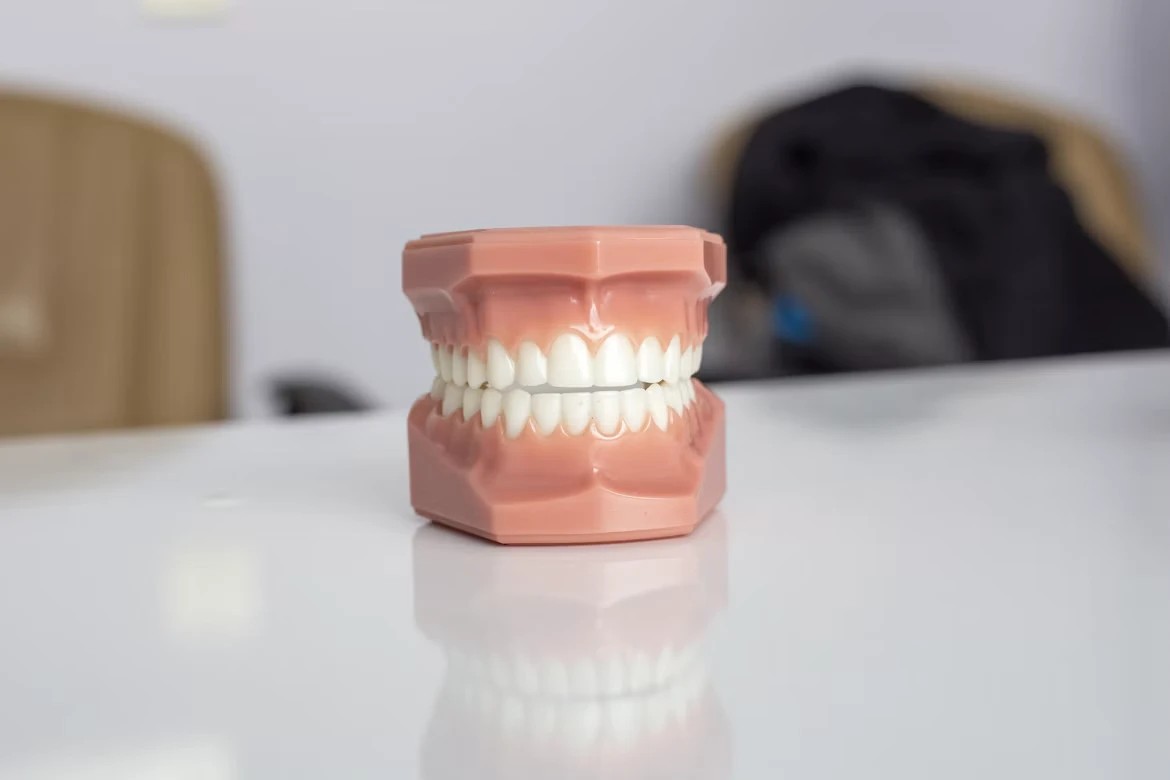
When people think about losing teeth, they usually picture cavities. But for many adults, the real threat lies below the surface. Gum disease quietly destroys the tissues and bone that hold teeth in place, often without pain until the damage is advanced.
Understanding how gum disease develops, how to spot it early and what treatment involves can help you keep your natural teeth for life.
How Common Is Gum Disease?
Gum disease is one of the most widespread chronic conditions in the United States. Analysis of national survey data led by the Centers for Disease Control and Prevention found that an estimated 42% of US adults aged 30 or older with natural teeth had periodontitis, with 7.8% having the severe form. The National Institute of Dental and Craniofacial Research describes this as an important public health problem, with 2 in 5 adults affected by some form of the disease.
Because it is so common and often painless, many people do not realize they have it. Regular checkups that include gum measurements are the most reliable way to catch it. Practices such as https://www.pauljangdentistry.com/ can assess gum health during routine exams and explain what your measurements mean.
From Gingivitis to Periodontitis
Gum disease develops in stages:
Gingivitis is the earliest stage. Plaque builds up along the gumline, causing red, puffy gums that may bleed when you brush or floss. At this point there is no permanent damage, and gingivitis is reversible with good home care and professional cleaning.
Periodontitis develops when inflammation continues unchecked. The gums begin to pull away from the teeth, creating pockets where bacteria thrive. The body’s immune response, combined with bacterial toxins, starts to break down the bone and connective tissue that support the teeth.
Advanced periodontitis occurs when enough bone has been lost that teeth become loose, shift position or need to be removed.
Warning Signs to Watch For
See your dentist if you notice:
- Gums that bleed during brushing or flossing
- Red, swollen or tender gums
- Persistent bad breath or a bad taste in the mouth
- Gums that appear to be receding, making teeth look longer
- New gaps between teeth or teeth that feel loose
- A change in how your teeth fit together when you bite
- Pus between the teeth and gums
Bleeding gums are often dismissed as normal, but healthy gums should not bleed with gentle brushing. Smokers should be especially watchful, as tobacco can reduce bleeding and mask this early warning sign.
What Happens at a Periodontal Exam
A gum assessment is quick and usually painless. Your dentist or hygienist uses a thin, measured instrument called a periodontal probe to check the depth of the small space between each tooth and the gum. Healthy spaces are shallow, while deeper measurements suggest pockets have formed. They will also check for bleeding, recession and tooth mobility.
Dental X-rays show the level of bone around the roots, which helps determine how much support has been lost. Together, these measurements allow your dentist to classify the severity of the disease, track it over time, and decide whether treatment is working.
Who Is Most at Risk?
Anyone can develop gum disease, but certain factors raise the risk significantly. The CDC-led analysis found that severe periodontitis was most prevalent among adults 65 or older, Mexican Americans, non-Hispanic Black adults and smokers.
Other important risk factors include:
- Diabetes, particularly when blood sugar is poorly controlled
- Genetics and a family history of gum problems
- Hormonal changes, including during pregnancy
- Medications that reduce saliva or cause gum overgrowth
- Stress and poor nutrition, which can weaken immune response
- Crowded or misaligned teeth that are harder to clean
How Gum Disease Leads to Tooth Loss
Teeth are held in place by bone and a network of fibers called the periodontal ligament. As periodontitis advances, bone is lost around the roots. Once bone has been destroyed, it does not grow back on its own. Teeth with too little support become mobile, and eventually may need to be removed.
The process is usually slow, which is both a challenge and an opportunity. It is easy to ignore early symptoms, but there is often plenty of time to intervene if the disease is diagnosed early.
Gum Disease and Your General Health
Researchers have studied links between gum disease and several health conditions, including diabetes and heart disease. The relationship with diabetes is the best understood: diabetes increases the risk and severity of gum disease, and ongoing gum inflammation can make blood sugar harder to control. For other conditions, the research shows associations, but the exact nature of the connection is still being studied. Either way, keeping your gums healthy is a sensible part of looking after your overall wellbeing.
Treatment Options
Treatment depends on how advanced the disease is:
Professional cleaning and improved home care can reverse gingivitis.
Scaling and root planing, sometimes called a deep cleaning, removes plaque and hardened tartar from below the gumline and smooths the root surfaces so the gums can reattach.
Periodontal maintenance involves more frequent cleanings, often every three to four months, to keep the disease under control after initial treatment.
Surgical treatment may be recommended for deep pockets that do not respond to cleaning. Procedures can reduce pocket depth, and in some cases regenerative techniques can help rebuild lost bone and tissue.
Periodontitis cannot be cured in the way an infection is cleared with a short course of antibiotics, but it can be successfully managed for life.
Replacing Teeth After Gum Disease
If teeth have been lost, implants, bridges and dentures are all possible. However, gum disease history matters. People with a history of periodontitis need to have their gum disease under control before implant treatment and require diligent ongoing maintenance, as the same bacteria can affect the tissues around implants.
Protecting Your Gums Every Day
Daily habits remain the foundation of gum health:
- Brush twice a day for two minutes, angling the brush toward the gumline.
- Clean between your teeth every day with floss or interdental brushes.
- Quit smoking, which is one of the most significant modifiable risk factors.
- Manage diabetes and other health conditions.
- Keep regular dental visits, including gum measurements.
The Bottom Line
Gum disease affects a large share of American adults and is a major reason people lose teeth. Its quiet progression is what makes it dangerous, but also what makes regular checkups so valuable. With early diagnosis, consistent home care and appropriate treatment, most people can keep their natural teeth healthy and functional for a lifetime.