


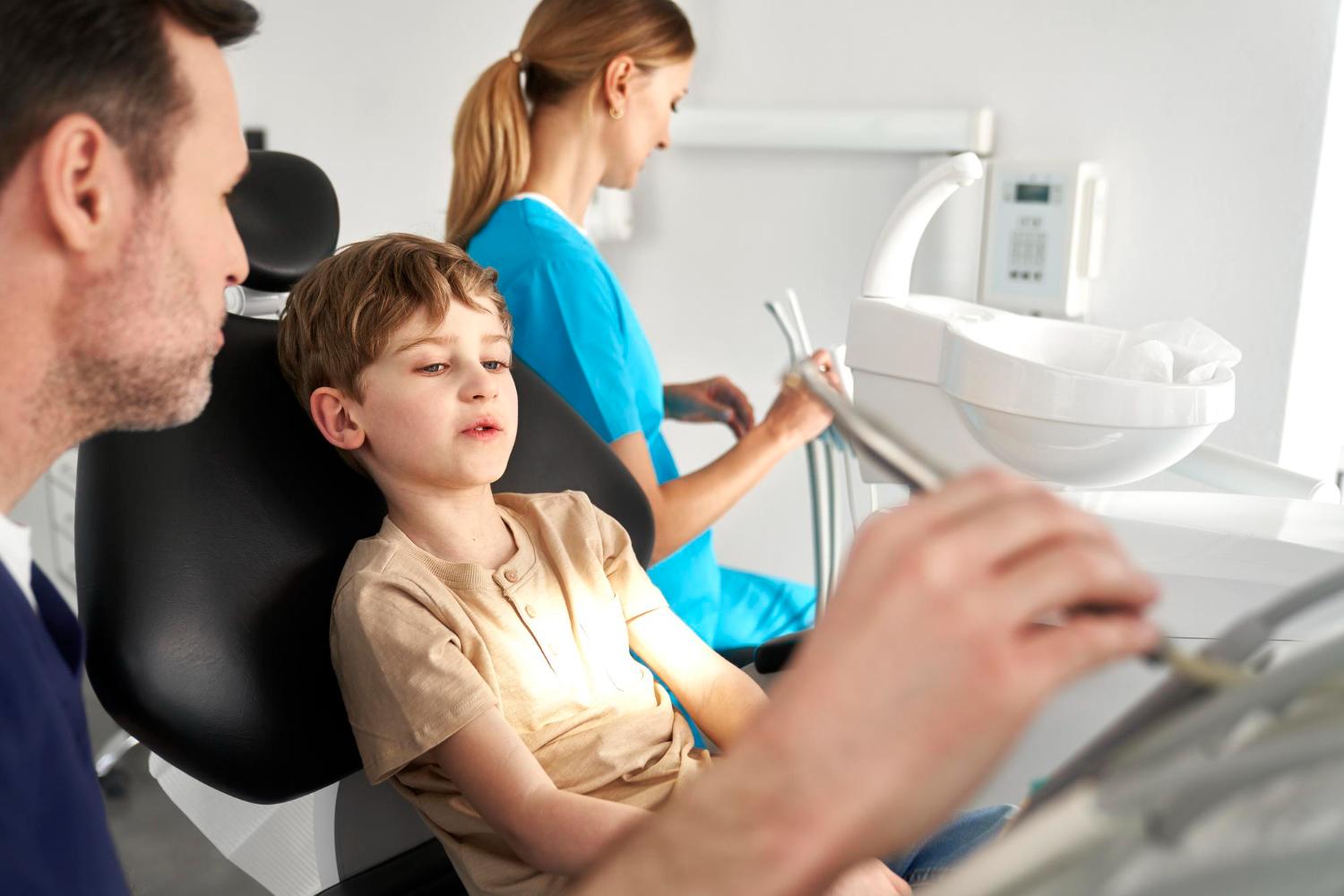
Finding a dentist for a family is a different exercise than finding one for yourself. The variables multiply. Children have different comfort thresholds, different clinical needs at different developmental stages, and a first dental experience that goes poorly can create anxiety that affects their willingness to seek care for years. A practice that is technically competent but poorly calibrated for the range of ages, personalities and anxiety levels that a family brings through the door will struggle to retain patients who have options.
The first visit tells you more than any website or review can. Paying attention to the right things during that appointment gives you a reliable picture of whether the practice is one your family will stay with.
The range of services and age coverage
A genuine family dental practice provides the full range of services for all ages under one roof, from the first childhood tooth through adult restorative and cosmetic work. If a practice refers patients of certain age groups or clinical presentations to another office as a matter of course, it is functionally a specialty practice with a family label. The goal in choosing a family dentist is to avoid the coordination overhead of managing relationships with multiple separate providers whenever possible.
Ask specifically about the youngest age at which the practice accepts patients, the approach to first visits for toddlers and young children, and whether all six family members can receive care at the same location. Practices that have worked through how to create positive early dental experiences for children have typically invested thought and training in this area that shows in how they handle young patients.
How the practice manages anxiety
Dental anxiety is among the most common reasons adults avoid necessary care. A practice that has developed effective protocols for anxious patients, whether through communication style, pacing, explicit sedation options or the physical environment of the treatment space, serves a significantly larger proportion of the population than one that handles anxiety by telling patients to relax.
Ask about the options available for patients who are anxious. Does the practice offer nitrous oxide? Is the dentist comfortable with extended appointment times that allow for more gradual procedures? Is there an explicit policy of stopping treatment if a patient signals distress? The answers reveal whether anxiety management has been thought through as a service design element or addressed reactively case by case.
What the ADA says about choosing a dentist
The American Dental Association (ADA) recommends that patients evaluate a dental practice across several dimensions: the qualifications of the dentist and any specialists on staff, the technologies and techniques used, the approach to explaining treatment options, and how the practice handles dental emergencies and after-hours needs. The ADA also emphasises that the dentist-patient relationship involves genuine communication, and that a dentist who takes time to explain findings and answer questions is preferable to one who delivers information as a series of directives.
For families, the ADA guidance on early childhood dental care is equally relevant: recommending a first dental visit by the time the first tooth appears or by the child’s first birthday, as early exposure to the dental environment in a low-stakes context reduces the anxiety that often follows a first visit made only when pain is the presenting complaint.
Transparency about costs and insurance
Understanding what a first visit costs before arriving saves the surprise that colours many people’s impression of a new dental practice. Practices that clearly explain their fee structure, their approach to insurance billing and the options available for patients without traditional dental insurance demonstrate a respect for the financial dimension of dental care that translates into a more comfortable long-term relationship.
Family practices like Luna Family Dental in Winston-Salem, NC, for example, offer in-office savings plans specifically designed for patients who are not covered by traditional dental insurance, allowing families to access regular preventive care without the barrier of out-of-pocket costs that are unpredictable at the start of each appointment. Knowing that this kind of structure exists before committing to a practice removes a common source of uncertainty.
What to observe during the appointment
The technical quality of a first appointment is important but largely invisible to a non-clinician. What you can observe and evaluate is the communication: whether the dentist explains findings clearly, whether the hygienist answers questions without deflecting them to the dentist, whether the front desk has straightforward answers about scheduling and billing, and whether the overall environment feels designed for patient comfort or primarily for clinical throughput.
Watch how the team interacts with children in the waiting area and during their appointment. A practice that has refined its approach to paediatric patients will show it in small consistent behaviours: the way the hygienist explains the instruments before using them, the pacing adjustments made for a nervous child, the deliberate celebration of small achievements during cleaning. These are signals that the practice has invested in something that does not show up on a website.
Making the switch when necessary
If a first visit leaves you uncertain, trust that instinct. Finding a family dental practice that works for everyone in the household is worth the friction of a second evaluation. The relationship with a family dentist is ideally one that spans years and transitions, from childhood development through adult care and everything in between. Starting that relationship with a practice that earns confidence from the first appointment is worth the effort of finding it.