


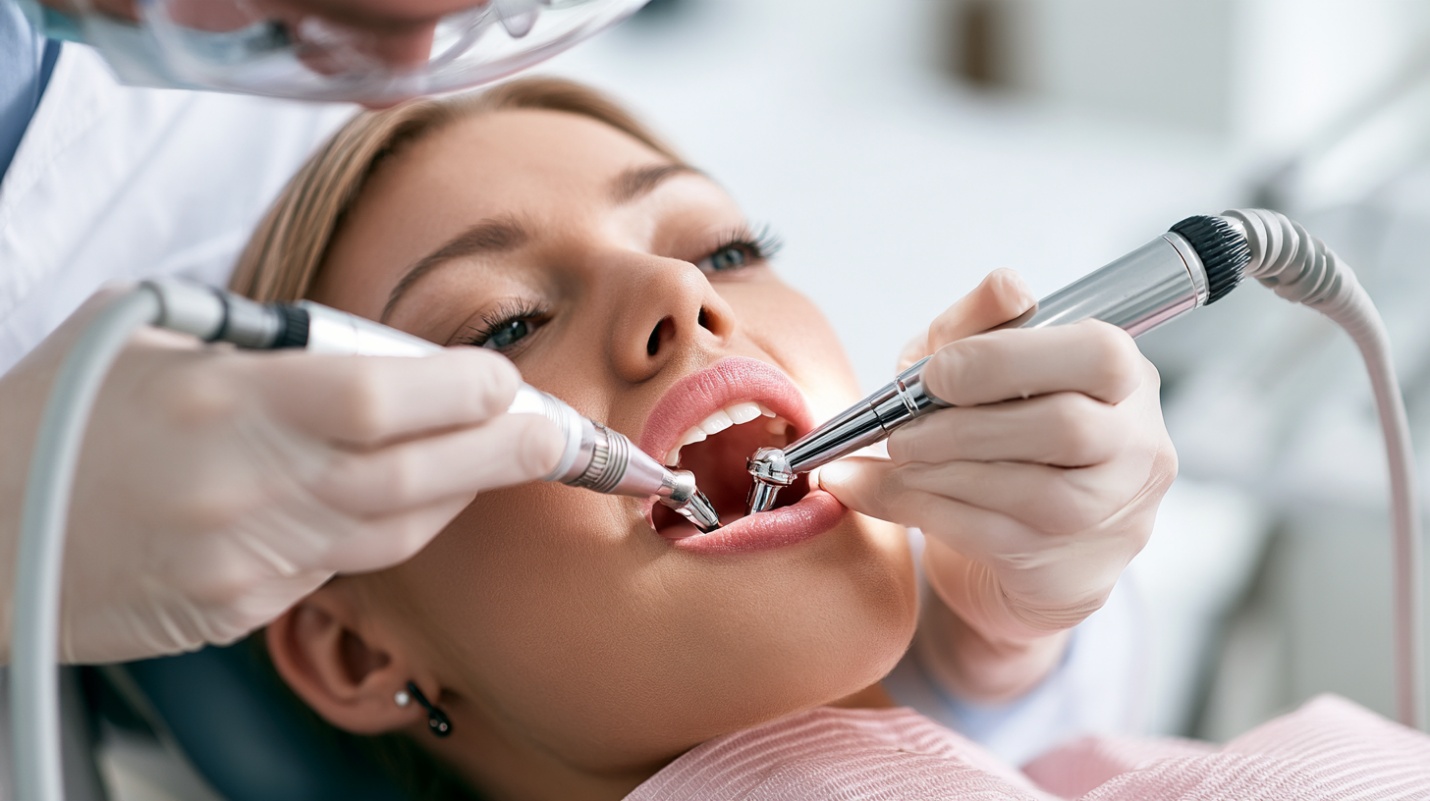
In the practice of dentistry, finishing and polishing procedures extend beyond cosmetic enhancement. They are integral components of patient care that contribute to restoration longevity, oral health, and compliance with the applicable standard of care. Dental professionals are expected to exercise reasonable skill and judgment when selecting instruments that support safe, predictable, and clinically acceptable outcomes. The use of dental polishers reflects this obligation by enabling practitioners to achieve smooth, properly finished restorations while minimizing the risk of complications associated with rough or improperly contoured surfaces.
The Standard of Care and Instrument Selection
Under established principles of professional negligence, dentists owe patients a duty to provide treatment consistent with the level of care exercised by reasonably competent practitioners under similar circumstances. Instrument selection is an important part of satisfying this legal obligation. Choosing appropriate finishing and polishing tools demonstrates that the practitioner has taken reasonable measures to optimize restoration performance and patient safety.
Dental polishers are specifically designed to refine restorative materials, eliminate surface imperfections, and produce smooth finishes that enhance both function and aesthetics. Proper polishing not only improves the appearance of restorations but also helps reduce plaque retention, staining, and premature material wear.
Factors to Consider When Selecting Dental Polishers
The choice of polishing instruments should be based on the restorative material, procedural objectives, and manufacturer recommendations. Practitioners should evaluate several important considerations, including:
- Compatibility with composite, ceramic, or metal restorations
- Appropriate grit level for finishing or final polishing
- Flexibility for accessing difficult treatment areas
- Durability and resistance to excessive wear
- Compliance with manufacturer instructions for proper use
Careful consideration of these factors helps ensure treatment aligns with accepted professional standards and minimizes unnecessary risks.
Why Proper Finishing and Polishing Matter
A restoration is not considered clinically complete until it has been properly finished and polished. Rough restoration surfaces may contribute to bacterial accumulation, patient discomfort, gingival irritation, and premature restoration failure. These issues may increase the likelihood of patient dissatisfaction or allegations that treatment fell below the accepted standard of care.
Clinical Benefits of Proper Polishing
Appropriate finishing and polishing procedures provide several important advantages, including:
- Improved restoration longevity
- Reduced plaque accumulation
- Enhanced patient comfort
- Better esthetic outcomes
- Increased resistance to staining and surface deterioration
These benefits demonstrate why polishing procedures should be regarded as essential components of comprehensive dental treatment rather than optional finishing steps.
Risk Management Through Proper Clinical Protocols
Risk management in dentistry involves adopting practices that reduce the potential for adverse outcomes and professional liability. Utilizing appropriate polishing systems supports defensible clinical decision-making by demonstrating adherence to recognized treatment protocols.
Dental practices can strengthen their quality assurance programs by:
- Using high-quality polishing systems designed for specific restorative materials
- Replacing worn polishers before performance declines
- Following manufacturer guidelines regarding speed and pressure
- Providing continuing education on restorative finishing techniques
- Maintaining equipment according to recommended maintenance schedules
Consistent implementation of these practices supports both patient safety and professional accountability.
Documentation Supports Professional Responsibility
While dental records do not typically identify individual polishing instruments used during treatment, comprehensive documentation remains a fundamental safeguard in the event of legal scrutiny. Patient records should accurately include:
- Clinical diagnosis
- Restorative treatment performed
- Materials utilized
- Informed consent
- Post-treatment observations
- Follow-up recommendations
Well-maintained documentation demonstrates that treatment decisions were made using sound professional judgment and accepted clinical practices.
Regulatory Compliance and Quality Assurance
Dental professionals are expected to comply with licensing requirements, infection control standards, and professional practice guidelines established by regulatory authorities. Although specific polishing instruments are generally left to clinical discretion, practitioners remain responsible for selecting equipment that is appropriate, properly maintained, and capable of producing acceptable treatment outcomes.
Failure to utilize suitable finishing and polishing techniques may contribute to restoration defects that could have been reasonably prevented through proper instrument selection and clinical execution. Accordingly, quality assurance programs should include periodic evaluation of polishing systems and staff training to ensure continued compliance with evolving professional standards.
Conclusion
Finishing and polishing are critical elements of restorative dentistry that carry both clinical and legal significance. The appropriate selection and use of dental polishers demonstrate a commitment to patient safety, treatment quality, and adherence to the accepted standard of care. By following recognized clinical protocols, maintaining quality instruments, and documenting treatment appropriately, dental professionals can improve restoration performance while reducing potential legal exposure. Ultimately, careful finishing and polishing reflect the professional diligence expected of practitioners committed to delivering competent and defensible dental care.