


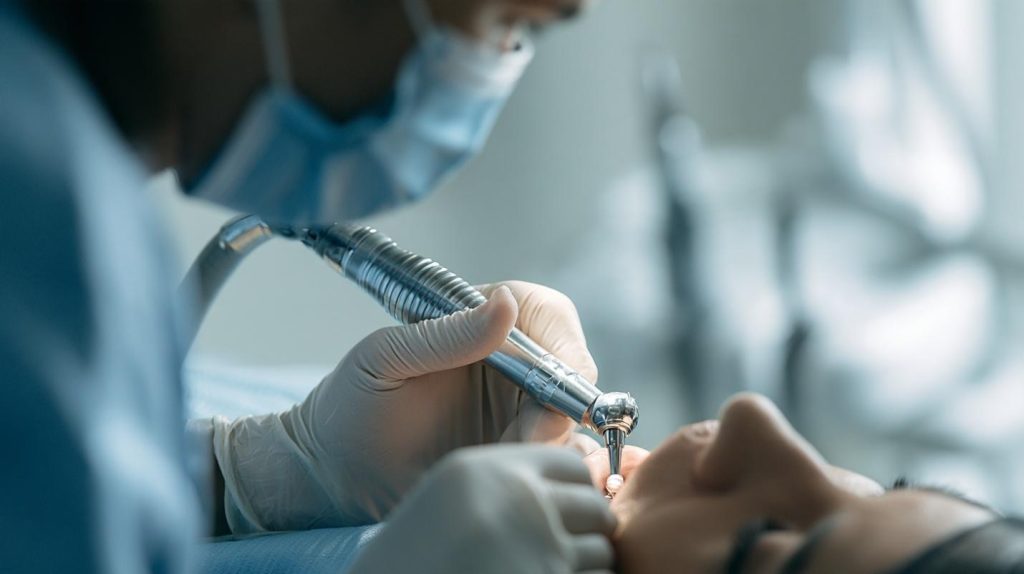
In modern dentistry, precision is not merely a matter of clinical excellence, it is also a legal and ethical obligation. Dental practitioners are expected to exercise the degree of care, skill, and judgment that reasonably competent professionals would provide under similar circumstances. One critical component of meeting this standard of care is selecting the appropriate instruments for each procedure. Among these, carbide burs play a significant role in ensuring accurate, safe, and predictable treatment outcomes.
Why Instrument Selection Matters Under the Standard of Care
Dental professionals owe patients a legal duty to provide treatment that aligns with accepted clinical standards. The selection of dental instruments directly influences procedural accuracy, patient safety, and treatment success. Improper tool selection may increase the risk of unnecessary tooth removal, restoration failure, or patient injury, potentially exposing practitioners to professional liability.
Carbide burs are engineered for precision cutting and durability, making them suitable for restorative, cosmetic, and operative dental procedures. Their superior cutting efficiency allows clinicians to perform procedures with greater control while minimizing trauma to surrounding tooth structures.
Factors to Consider When Choosing Carbide Burs
Selecting the appropriate carbide bur requires careful consideration of the clinical circumstances and intended procedure. Dental professionals should evaluate several important factors, including:
- Bur shape based on the treatment objective
- Head size appropriate for the operative field
- Number of blades required for cutting or finishing
- Compatibility with the dental handpiece
- Quality of manufacturing and material durability
Each of these considerations contributes to procedural accuracy while supporting compliance with accepted professional standards.
Clinical Applications That Require Precision
Different dental procedures require different bur configurations. Selecting the wrong instrument may compromise both efficiency and patient outcomes. Common applications include:
Cavity Preparation
Cross-cut carbide burs provide efficient removal of decayed tooth structure while preserving healthy enamel whenever possible.
Crown and Bridge Preparation
Precision burs assist in creating uniform reduction, smooth margins, and accurate preparation geometry necessary for successful restorations.
Finishing Composite Restorations
Multi-blade carbide burs produce smooth surfaces that improve restoration aesthetics and reduce plaque accumulation.
Removal of Existing Restorations
Specialized carbide burs facilitate controlled removal of amalgam, composite, or temporary restorations while minimizing unnecessary removal of healthy tooth structure.
Risk Management Through Proper Instrument Selection
From a legal risk management perspective, appropriate instrument selection demonstrates adherence to accepted clinical protocols. Dentists who consistently utilize suitable tools are better positioned to document that treatment decisions were reasonable and supported by professional standards.
Effective risk management includes:
- Maintaining high-quality, well-maintained instruments
- Replacing worn burs before cutting efficiency declines
- Following manufacturer recommendations
- Documenting treatment decisions when clinically appropriate
- Providing continuing education on evolving dental technologies
These practices not only improve patient care but also strengthen a practitioner’s position should treatment outcomes ever be questioned.
Quality Assurance and Regulatory Compliance
Dental practices operate within regulatory frameworks established by licensing boards, professional organizations, and applicable healthcare laws. While regulations may not prescribe a specific bur for every procedure, practitioners are expected to use equipment that is appropriate, safe, and capable of achieving acceptable clinical results.
Using inferior or damaged instruments may increase procedural complications, potentially raising questions regarding compliance with professional obligations. Investing in high-quality carbide burs supports both clinical performance and quality assurance initiatives.
Documentation Supports Defensible Care
Comprehensive patient records remain an essential component of legal protection. Although individual burs are not typically documented, records should accurately reflect:
- Diagnosis
- Treatment plan
- Procedure performed
- Materials utilized when applicable
- Patient consent
- Clinical outcomes and follow-up recommendations
Accurate documentation demonstrates that treatment decisions were made thoughtfully and according to accepted standards of care.
Conclusion
Precision dental work depends on more than clinical expertise—it requires the thoughtful selection of reliable instruments that support safe and effective patient care. Carbide burs remain among the most valuable tools available for restorative and operative dentistry because of their accuracy, efficiency, and durability. By selecting the appropriate bur for each procedure, maintaining quality instruments, and following established professional standards, dental practitioners can improve clinical outcomes while reducing potential legal exposure. Ultimately, careful instrument selection reflects a commitment to patient safety, regulatory compliance, and the professional duty owed to every individual receiving dental care.