


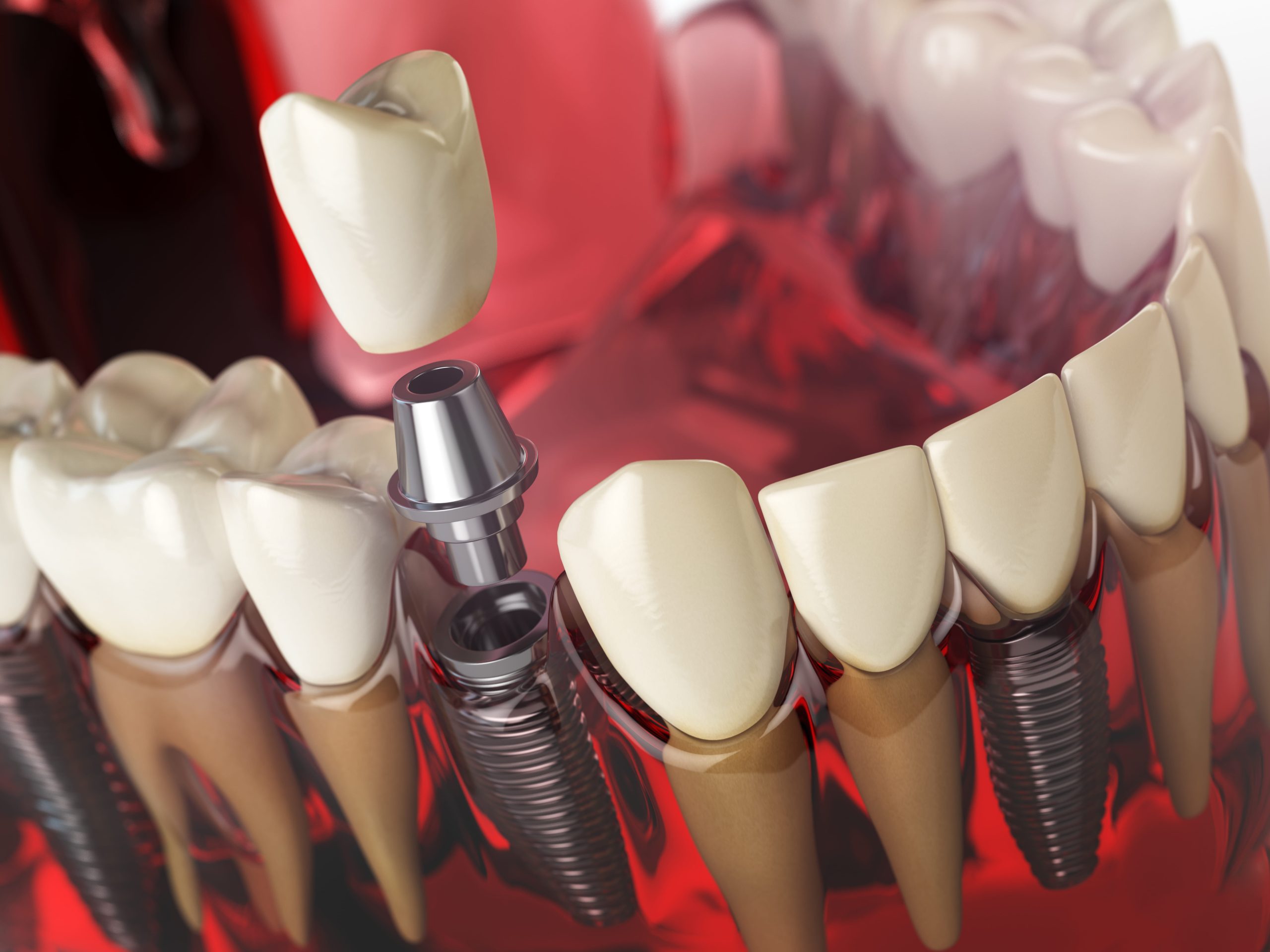
Zygomatic implants, as a bone graft alternative for severe bone loss, are titanium implants measuring 30 to 52.5 mm that are anchored into the zygomatic bone (cheekbone) rather than the resorbed upper jaw. Zygomatic implants as a bone graft alternative for severe bone loss were introduced by Professor Brånemark in 1989 to rehabilitate patients after maxillary tumor resection. Severe maxillary bone loss leaves less than 4 mm of vertical bone height in the posterior region, a level too low to hold conventional implants measuring 8 to 15 mm. Bone grafts (autogenous, allograft, xenograft) rebuild the missing volume, but the grafting stage adds 4 to 9 months of healing before implant placement.
Zygomatic implants reduce the need for grafting by engaging the dense zygomatic bone to achieve primary stability. Published clinical studies report survival rates from 95% to 98% over 5 to 12 years in carefully selected patients. A full arch restoration uses 2 zygomatic implants and 2 to 4 conventional implants in the anterior maxilla to support a fixed prosthesis. Resorbed maxillae, failed grafts, and maxillary defects form the main candidate groups. CBCT imaging in a specialist clinic in Istanbul confirms whether the cheekbone anatomy supports the approach.
When is Bone Grafting Needed Before Dental Implants?
Bone grafting is needed before dental implants when the jawbone lacks the height or width to hold an implant body measuring 8 to 15 mm in length. Upper jaw bone loss follows tooth extraction, periodontal disease, or long-term denture wear. Studies report a 30% to 50% reduction in ridge width during the first 12 months after extraction. The posterior maxilla adds a second limit, since the maxillary sinus expands downward after molar loss. A sinus lift raises the Schneiderian membrane and places graft material to create 10 to 12 mm of bone height. Residual bone of 4 to 6 mm supports a crestal sinus lift, whereas less than 4 mm requires a lateral window approach. CBCT scans measure the remaining bone height, so the clinician matches the grafting plan to the exact deficit.
How do Bone Grafts and Sinus Lifts Prepare the Jaw?
Bone grafts and sinus lifts prepare the jaw by adding bone volume (autogenous, allograft, xenograft, or synthetic material) where the ridge has resorbed. The graft material forms a scaffold that host cells convert into living bone. A sinus lift creates space by lifting the sinus membrane upward, then packing graft material underneath the lifted membrane. Maturation of the graft takes 4 to 9 months, depending on the site, the material, and the patient’s healing response. Implant placement follows after the graft integrates, so osseointegration adds 3 to 6 months before the final prosthesis. The staged sequence extends total treatment time to 8 to 15 months, since each stage requires a surgery and a healing period.
Does Every Patient With Bone Loss Need a Bone Graft?
No, not every patient with bone loss needs a bone graft. Treatment depends on bone volume, anatomy, and the clinical assessment of the implant team. Ridges 10 mm high and 6 mm wide accept standard implants without augmentation. Short implants (6 to 8 mm), tilted implants, and pterygoid implants are suitable for selected cases of moderate bone loss. Zygomatic implants are suitable for severe cases when the posterior maxilla has less than 4 mm of bone. CBCT imaging and a specialist examination confirm whether grafting, an alternative implant, or no augmentation is appropriate for the case.
How can Zygomatic Implants Avoid Bone Grafting?
Zygomatic implants can avoid bone grafting by following the six steps. First, a CBCT scan maps the residual maxilla and the zygomatic bone. Second, the surgeon plans the implant path from the palatal side of the ridge toward the cheekbone. Third, IV sedation or anesthesia keeps the patient comfortable during the 2- to 3-hour procedure. Fourth, the surgeon drills through the ridge toward the zygomatic bone, then places a 30 to 52.5 mm implant. Fifth, the implant engages the cortical bone of the cheek, providing primary stability without a sinus lift or graft. Lastly, the clinician attaches a provisional prosthesis within 24 to 72 hours when stability is adequate, followed by the final prosthesis after 3 to 6 months. Longer implants anchor into the cheekbone rather than relying on severely resorbed upper jawbone.
How do Zygomatic Implants Differ From Conventional Implants?
Zygomatic implants differ from conventional implants by length, anchorage point, and placement angle. Zygomatic implants measure 30 to 52.5 mm in length, whereas conventional implants measure 8 to 15 mm. Conventional implants anchor into the alveolar ridge, but zygomatic implants anchor into the cheekbone. Conventional implants suit adequate bone volume, but zygomatic implants suit severe resorption, failed grafts, or maxillary defects. Treatment planning relies on CBCT imaging and 3D virtual planning to position each implant relative to the sinus wall. Surgical expertise, anatomical knowledge, and training in zygomatic protocols make zygomatic placement different from conventional placement. Surgeons must navigate the orbit (eye socket), the maxillary sinus, and the infraorbital nerve during placement.
Can Zygomatic Implants Eliminate the Need for a Sinus Lift?
Yes, zygomatic implants can eliminate the need for a sinus lift in suitable cases. The implant passes through or alongside the maxillary sinus, so graft material is not placed under the membrane. Eligibility depends on sinus health, bone anatomy, and the treatment plan, so the specialist confirms each case. Chronic sinusitis, active sinus infection, or a thin zygomatic bone limit candidacy. A sinus lift remains the standard approach when 4 to 6 mm of ridge height is required to support conventional implants. The final decision follows the CBCT findings and the specialist’s judgment.
What is the Healing Timeline for Zygomatic Implants?
The healing timeline for zygomatic implants is 3 to 6 months of osseointegration, followed by placement of the final prosthesis. Initial soft tissue healing takes 10 to 14 days, after which sutures are removed. Provisional teeth attach within 24 to 72 hours in selected cases, and the diet remains soft during the first 6 to 8 weeks. Antibiotics, pain medication, and chlorhexidine rinses (0.12%) support the first 2 weeks of recovery. Follow-up visits at 1 week, 1 month, 3 months, and 6 months monitor stability. Avoiding grafting eliminates the separate 4- to 9-month graft-healing stage in eligible patients. Fewer stages reduce the number of surgeries, but healing speed depends on bone quality, smoking status, and systemic health. Healing is confirmed by CBCT or clinical examination before the final prosthesis is fitted.
Which Factors Affect Recovery After Zygomatic Implant Surgery?
The factors that affect recovery after zygomatic implant surgery are surgical complexity, systemic health, oral hygiene, follow-up care, and additional procedures. Each factor changes the healing pace and the complication risk.
The factors that affect recovery after zygomatic implant surgery are listed below.
Surgical Complexity: Bilateral placement, quad zygoma protocols, and longer procedures of 2 to 3 hours increase tissue trauma. Greater trauma extends swelling, which peaks at 48 to 72 hours. Simpler unilateral cases recover faster.
Systemic Health: Controlled diabetes (HbA1c under 7%), smoke-free status, and stable bone quality support predictable healing. Smoking reduces blood flow to the surgical site. Uncontrolled diabetes raises the risk of infection after surgery.
Oral Hygiene: Brushing twice daily and chlorhexidine rinses (0.12%) keep plaque away from the implant site. Plaque accumulation raises the risk of peri-implantitis. Professional cleanings twice per year protect long-term stability.
Follow-up Care: Scheduled visits at 1 week, 1 month, 3 months, and 6 months allow the clinician to check stability. Radiographs confirm osseointegration around each implant. Missed visits delay the detection of complications.
Additional Procedures: Sinus treatment, anterior grafting, or tooth extractions add surgical stages to the plan. Each added stage extends healing by 2 to 6 months. Planning identifies the required procedures before surgery begins.
Can Patients Receive Fixed Teeth Immediately After Surgery?
Yes, patients can receive fixed teeth immediately after surgery in selected cases. Immediate loading requires primary implant stability, which clinicians confirm at an insertion torque of 35 Ncm or higher. A rigid prosthesis splints 4 to 6 implants together, which distributes the chewing load. The provisional prosthesis is attached within 24 to 72 hours, depending on the clinician’s assessment and bone quality. Low stability readings lead to a delayed loading protocol of 3 to 6 months. The provisional teeth are replaced by a definitive prosthesis after osseointegration.
Who is a Suitable Candidate for Zygomatic Implants?
The suitable candidate for zygomatic implants is a patient who has severe maxillary bone loss confirmed by CBCT imaging. Typical circumstances include less than 4 mm of posterior bone height, failed bone grafts, or maxillary defects after tumor surgery. Patients who wish to avoid graft donor sites (hip, chin, tibia) consider zygomatic implants. Adequate systemic health, controlled diabetes, and a smoke-free status support surgical candidacy. Healthy sinuses and sufficient zygomatic bone thickness are required to hold the implant. Candidates are adults aged 18 years or older with complete jaw growth. A specialist evaluation (clinical examination, CBCT imaging, sinus assessment) determines candidacy before any treatment begins. Experienced implant teams review the risks, the alternatives, and the expected outcomes during the consultation. Unsuitable cases receive alternatives (pterygoid implants, short implants, implant-retained overdentures).
What Should Patients Discuss With Their Implant Specialist?
Patients should discuss alternatives, risks, expected outcomes, clinician experience, maintenance, and the proposed restoration with their implant specialist. Each topic clarifies the treatment path, the cost range, and the long-term outlook.
Patients should discuss the topics listed below with their implant specialist.
Alternatives: Pterygoid implants, tilted implants, short implants, and bone grafting offer other options for maxillary bone loss. Each option carries a different timeline and cost. The specialist explains why zygomatic implants suit or do not suit the case.
Risks: Sinusitis, soft tissue infection, nerve numbness, and implant failure are the main risks. Orbital complications and oroantral communication occur rarely. The specialist explains the risk level specific to the patient’s anatomy.
Expected Outcomes: Outcomes include chewing function, speech clarity, and a fixed prosthesis that stays in place. Published survival rates range from 95% to 98% over 5 to 12 years. The specialist sets realistic expectations before surgery.
Clinician Experience: The number of zygomatic cases completed and the surgeon’s training in zygomatic protocols indicate the clinician’s skill level. Documented outcomes of previous cases show the clinician’s results. Complication management experience matters in cases of severe bone loss.
Maintenance: Daily brushing, interdental cleaning, and professional visits twice per year protect the implants. Peri-implant bone loss develops when plaque remains uncontrolled. Night guards protect the prosthesis from nighttime grinding forces.
Proposed Restoration: Restoration options include a fixed acrylic bridge, a zirconia bridge, and a removable overdenture. Zirconia resists wear and staining better than acrylic. The specialist explains the material, lifespan, and repair needs.
Are Zygomatic Implants Suitable for Everyone With Severe Bone Loss?
No, zygomatic implants are not suitable for everyone with severe bone loss. A specialist assesses risks, anatomy, and alternative treatments before recommending the procedure. Active sinus infection, uncontrolled diabetes, heavy smoking, or insufficient zygomatic bone thickness limit candidacy. Patients who received radiation to the maxilla or take bisphosphonate medication need additional review. CBCT imaging measures the zygomatic bone and the sinus anatomy to confirm the implant path. Alternative options (pterygoid implants, short implants, graft-supported implants) remain available in unsuitable cases. The specialist documents the reasoning in the written treatment plan.
Where Can Patients Learn More About Zygomatic Implant Treatment?
Patients can learn more about zygomatic implant treatment in specialist consultations at dental clinics in Turkey, including Lema Clinic in Marina Bakırköy, Istanbul. The Turkish Ministry of Health licenses private dental clinics, and the Turkish Dental Association (Türk Dişhekimleri Birliği) maintains professional standards among dentists. Patients review the surgeon’s credentials, the number of zygomatic cases completed, and documented outcomes before choosing a clinic. Facilities require CBCT imaging, sterilization protocols, and access to an anesthesiologist. Written treatment plans list the implant number, the prosthesis material, the follow-up schedule, and the warranty terms. Questions about sinus health, recovery time, and alternatives belong in the first consultation. International patients receive a remote CBCT review and a video consultation before travel to Turkey. Detailed candidacy, surgical steps, and recovery explanations appear in resources on zygomatic implants as a bone graft alternative.
What Should a Zygomatic Implant Treatment Plan Include?
A zygomatic implant treatment plan should include diagnostic imaging, the proposed implant approach, restoration details, costs, and follow-up arrangements. Diagnostic imaging (CBCT, panoramic radiograph) is the foundation of the plan, since it measures bone height, sinus anatomy, and zygomatic bone thickness. The implant approach specifies the number of zygomatic implants (2 or 4), the technique (intrasinus, extrasinus), and any anterior implants. Restoration details name the prosthesis material (acrylic, zirconia), the provisional protocol, and the final delivery date. Itemized costs cover surgery, implants, sedation, prostheses, and follow-up visits in a written quotation. Follow-up arrangements schedule reviews at 1 week, 3 months, 6 months, and 12 months after surgery, including an emergency contact route.
Should You Choose Zygomatic Implants Without a Specialist Assessment?
No, patients should not choose zygomatic implants without a specialist assessment. A personalized assessment by an experienced implant team confirms anatomy, risks, and alternative treatments. Planning errors raise the risk of sinusitis, orbital injury, and implant failure. CBCT imaging and a clinical examination determine whether the case is suitable for zygomatic implants, pterygoid implants, or a graft-based approach. The written assessment records candidacy, the proposed approach, and the expected timeline of 3 to 6 months. Treatment decisions are made without assessing for the risk of avoidable complications, including sinus infection and prosthesis failure.