


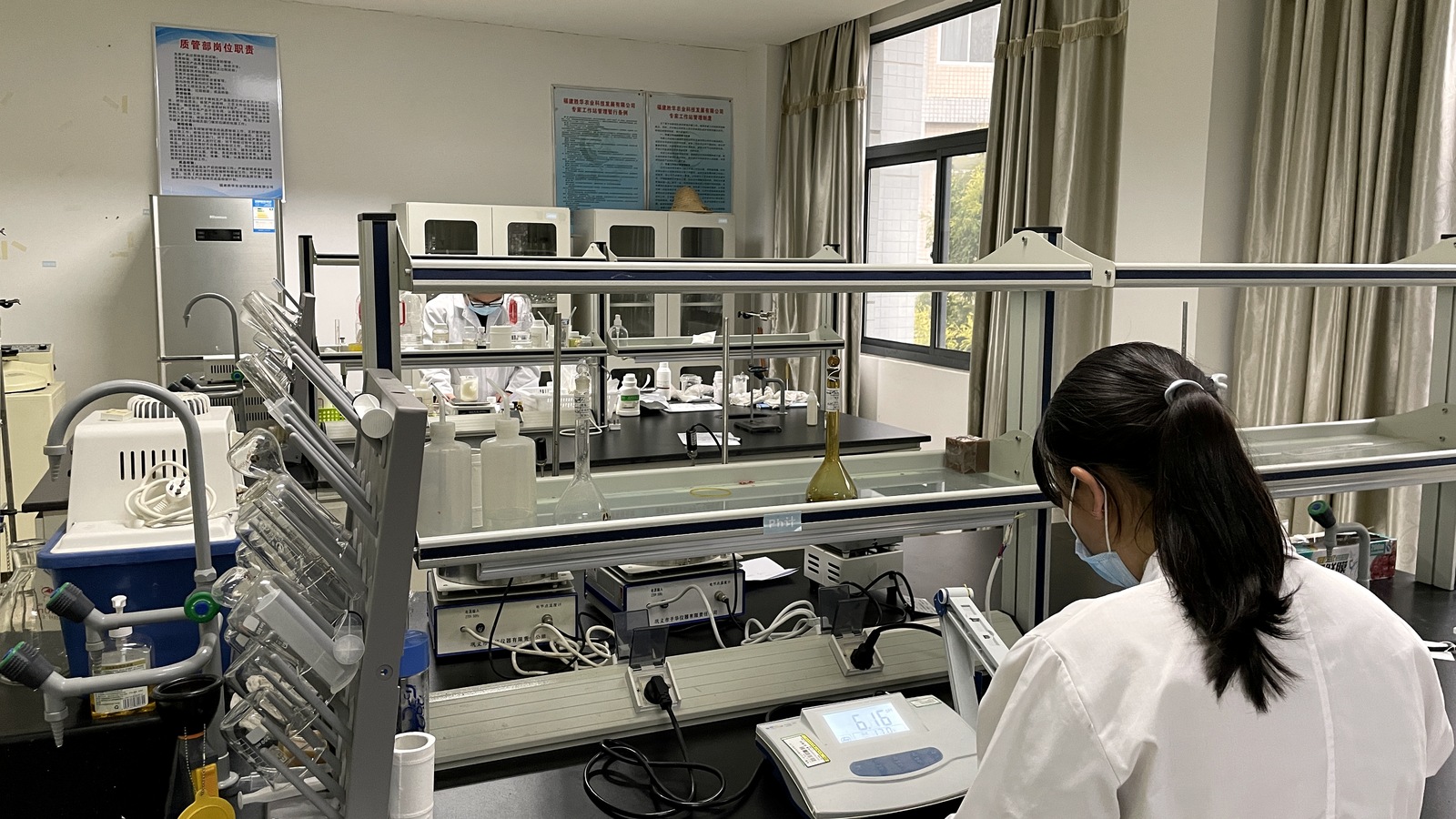
A mouthwash prototype can look finished long before it is ready for commercial production. The liquid may be clear. The flavour may be close to the brief. The pH may sit inside the target range. That is a good start, but it does not answer the main manufacturing question: can the same product be made consistently, packed correctly and repeated in the next batch?
This gap between a laboratory sample and a commercial product is where a large part of OEM development work happens. From the factory side, we try to keep the process simple. We first identify what is already working. Then we change only the parts that still need work. Rebuilding a stable base without a clear reason usually creates more variables, not a better product.
pH is one of the first controls. It is easy to treat pH as a single number on a specification sheet, but a change can affect more than the reading itself. The formula has to remain compatible with its flavour system, preservation approach and other ingredients. If the brand requests a different pH after the first prototype, the development team should check the complete system again rather than assume that only one number has changed.
Clarity and solubility are equally practical. Many cosmetic mouthwashes are expected to remain transparent. Flavour oils, botanical materials and other oil-soluble components have to stay properly dispersed. A formula that looks clear immediately after mixing may still need observation. Haze, separation, sediment or colour movement can appear later. This is why a visually good first sample is not the same as a stable commercial formula.
Flavour adjustment is another common step. A buyer may ask for more mint, less sweetness or a longer fresh feeling. These requests sound small, but they should be described precisely. More mint can mean a stronger opening note, stronger cooling or a longer aftertaste. Those are different formulation decisions. A focused adjustment is easier to evaluate and less likely to disturb a base that is already working.
The same rule applies when a new ingredient is introduced. A brand may want a botanical extract, a visible component or another differentiating material. The question is not only whether the ingredient can be added. We also need to know what it does to appearance, pH, solubility, preservation, taste and filling behaviour. A useful custom formula should remain practical to manufacture, not become dependent on one difficult material without a clear product reason.
Stability observation comes next. The exact programme depends on the formula, packaging and project requirements, but the purpose is straightforward. We want to see whether the product keeps the characteristics that were approved in the sample stage. Colour, odour, clarity, pH and physical appearance are basic points to watch. If the formula changes materially, some observations may need to start again.
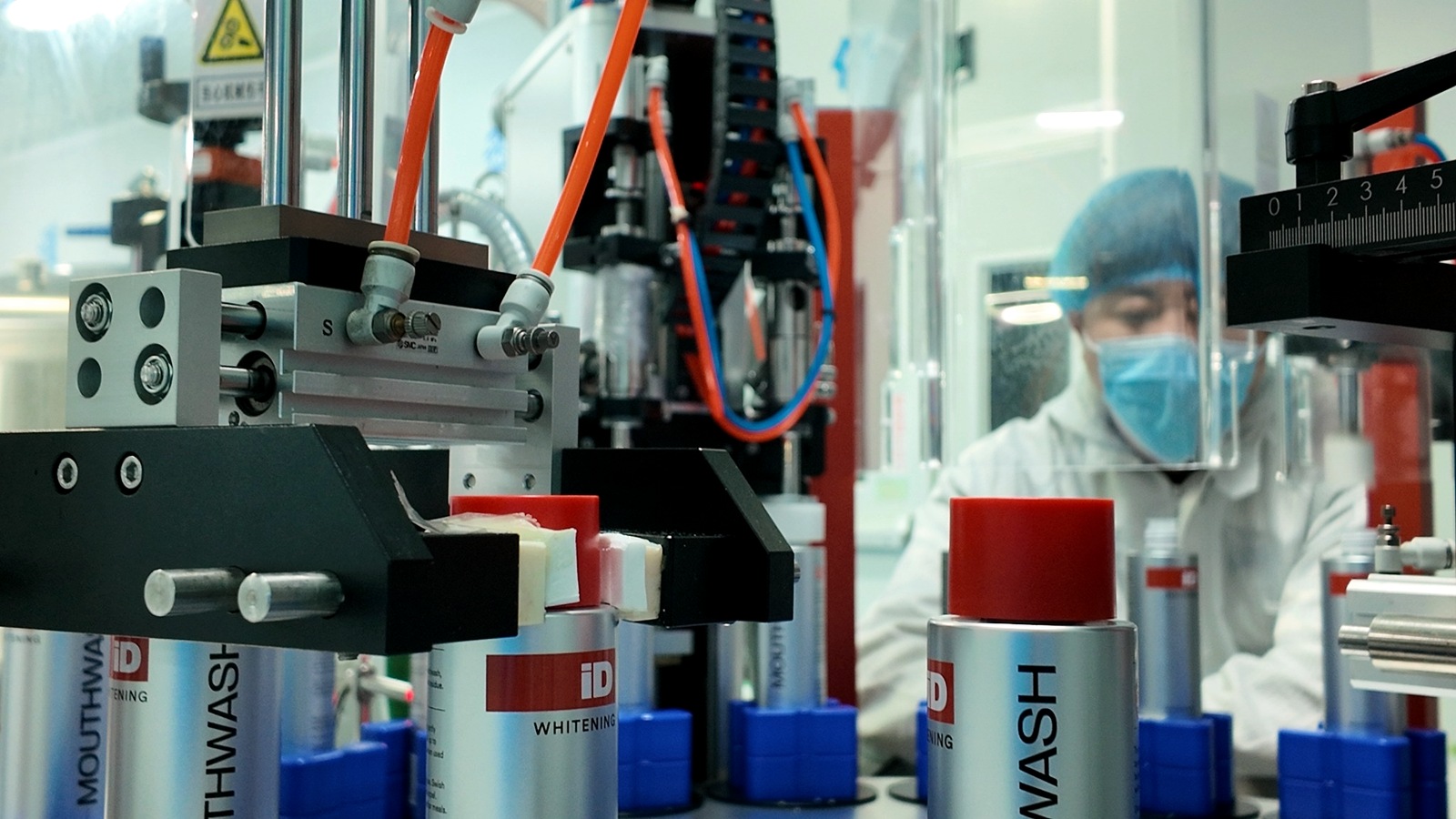
Packaging should be reviewed before the project is considered finished. A mouthwash formula is eventually sold in a bottle, pouch or another dispensing system, not in a laboratory beaker. Bottle material, closure, liner, opening size and filling method can all matter. If a brand changes packaging late in development, the new pack may create another compatibility or production question even when the formula itself has not changed.
Commercial filling adds another layer. A laboratory batch is small and handled differently from production. At scale, the manufacturing team has to control mixing order, processing conditions, filling settings and in-process checks. The aim is not to make one excellent bottle. The aim is to make thousands of bottles that remain close to the approved reference.
This is also why the approved sample should become a practical reference for production. The formula specification, sensory direction, packaging components and key process conditions need to be clear before the order moves to the line. If too many decisions remain open, the first commercial batch becomes another development round, which is expensive for both the brand and the manufacturer.
For international private-label projects, documentation and market positioning should be settled in parallel with technical development. A cosmetic mouthwash project should not drift into drug or disease-treatment claims simply because the formula contains a familiar oral-care ingredient. The intended claims, target market and regulatory route need to match the product that is actually being manufactured.
A disciplined development process does not mean making a formula complicated. In many cases, the opposite is true. The best route is to protect the parts that already work, identify the real problem, make a controlled change and verify the result. This reduces unnecessary sample rounds and makes it easier to understand why one version performs better than another.
For brands, the useful question is therefore not only, ‘Do we like this sample?’ It is also, ‘Is this version ready to be repeated in commercial production?’ A good prototype proves that the product idea can work. Commercialization proves that the formula, packaging and manufacturing process can work together repeatedly. That second step is what turns a promising sample into a manufacturable oral-care product.
Manufacturing perspective: Peter Xie works with ORALABX mouthwash manufacturing on private-label oral-care development and commercial production.