


Losing a tooth affects more than the look of your smile. A gap changes the way you chew, allows neighboring teeth to drift, and over time alters the shape of the jawbone. Fortunately, modern dentistry offers three well-established ways to replace missing teeth: dental implants, fixed bridges and removable dentures. Each one has clear strengths, real trade-offs, and situations where it makes the most sense.
This guide explains how each option works, what the research says about how long they last, how hybrid options fit in, and the questions worth raising with your dentist before you commit to a treatment plan.
Why Replacing a Missing Tooth Matters
When a tooth is lost, the bone that once surrounded its root no longer receives stimulation from chewing, so it gradually shrinks. Teeth on either side may tilt into the space, and the tooth in the opposite jaw can drift out of position because it has nothing to bite against. These changes are slow, but they can make future treatment more complicated and more expensive.
That is why dentists usually recommend discussing replacement options early. Because the right choice depends on your bone, gums, bite and the health of your other teeth, an in-person assessment matters more than any general rule. A general and implant dentistry practice such as www.dallasdentistryanddentalimplants.com can compare all three options against your own scans and health history, which makes the trade-offs much easier to understand.
Dental Implants: A Standalone Replacement
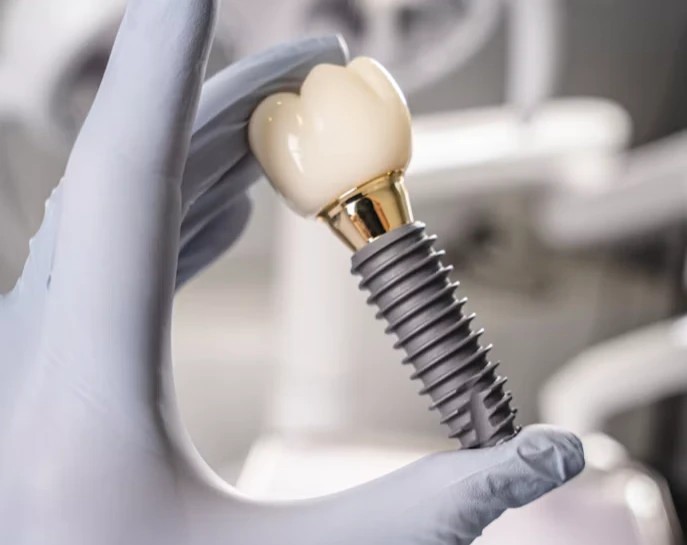
A dental implant is a small post, usually titanium, placed into the jawbone where the tooth root used to be. Over several months, the bone bonds to the implant surface in a process called osseointegration. Once healed, a connector called an abutment is attached, followed by a custom crown.
The main advantage of an implant is independence. It does not rely on neighboring teeth for support, so healthy teeth are left untouched. Because the implant sits in the bone, it also transfers chewing forces into the jaw, which helps maintain bone in that area. Many patients also find implants the most natural-feeling option, since there is nothing to remove at night and no clasps or plastic covering the gums.
The trade-offs are a surgical procedure, a longer overall timeline, and a higher upfront cost. Implants also require enough healthy bone, and some patients need grafting first. Factors such as smoking, uncontrolled diabetes and active gum disease can affect healing, so your dentist will review your medical history carefully.
Fixed Bridges: Using Neighboring Teeth for Support
A traditional bridge replaces a missing tooth by placing crowns on the teeth either side of the gap and joining them to a false tooth, called a pontic, in the middle. The whole unit is cemented in place and cannot be removed at home.
Bridges are a good fit for many people. They involve no surgery, are usually completed within a few weeks, and often cost less upfront than an implant. If the teeth beside the gap already have large fillings or need crowns anyway, a bridge can solve two problems at once.
The downside is that healthy enamel must be removed from the supporting teeth if they are otherwise sound. Cleaning under the pontic takes extra effort with floss threaders or interdental brushes, and the bone beneath the missing tooth continues to shrink because nothing is stimulating it. If one of the supporting teeth later develops decay or needs a root canal, the whole bridge may need to be replaced. Variations include cantilever bridges, supported on one side only, and resin-bonded bridges, which attach to the back of neighboring teeth with minimal drilling.
Removable Dentures: Flexible and Less Invasive
Dentures can replace a few teeth (partial dentures) or a full arch (complete dentures). They are the least invasive option and generally have the lowest initial cost, which makes them practical when many teeth are missing or when surgery is not advisable.
Dentures do come with compromises. They can move while eating or speaking, chewing efficiency is lower than with natural teeth or fixed options, and they need to be removed for cleaning. Partial dentures often use metal clasps that grip neighboring teeth, which can place extra stress on those teeth over time. As the jawbone changes, dentures usually need relining or remaking to keep a good fit.
Hybrid Options: Combining Implants With Bridges or Dentures
The choice is not always one or the other. Several hybrid options combine the strengths of different approaches:
Implant-supported bridges use two or more implants to support a bridge spanning several missing teeth. This avoids crowning natural teeth while replacing a larger gap with fewer implants than teeth.
Implant-retained overdentures are removable dentures that clip onto a small number of implants. They are far more stable than conventional dentures and are often a cost-effective upgrade for people who already wear a full denture.
Fixed full-arch bridges attach a complete set of teeth permanently to several implants, giving people who have lost most or all of their teeth a non-removable solution.
These options are worth asking about if you are missing several teeth, because they can reduce cost compared with replacing every tooth individually while still providing implant-level stability.
What the Research Says About Longevity
Long-term studies help put these options in perspective. A widely cited review by Pjetursson and Lang summarized survival across different restorations and found that after 10 years of function, estimated survival was 89.2% for conventional bridges, 80.3% for cantilever bridges and 89.4% for implant-supported single crowns. The same authors recommended that conventional bridges supported at both ends, implant-supported bridges or implant-supported single crowns should be the first treatment option where possible.
Resin-bonded bridges have improved over time. A later review of more than 2,000 cases estimated their survival at 91.4% after 5 years and 82.9% after 10 years, although de-bonding and minor chipping were common complications.
It is worth remembering that “survival” means the restoration was still in place, not that it was free of problems. Every option needs regular checkups and good home care to reach its full lifespan.
Thinking About Cost Over Time
Upfront price is only part of the picture. A denture usually costs the least at the start, but relines, repairs and eventual replacement add up over the years. A bridge sits in the middle, though future work on the supporting teeth can bring additional costs. An implant typically costs the most initially, but because it does not depend on neighboring teeth and can last many years with good care, some patients find it represents better value over the long term.
Ask your dentist to explain not just today’s fee, but the likely maintenance, repairs and replacement timeline for each option. That gives you a fairer comparison than the first quote alone.
Questions to Ask Before You Decide
A thoughtful conversation with your dentist should cover:
- The condition of the teeth next to the gap, and whether they would benefit from crowns anyway
- How much bone you have, and whether grafting would be needed for an implant
- Your general health, medications and smoking status
- How many teeth need replacing now, and whether more may be lost in the future
- Your budget, timeline and comfort level with surgery
- What daily cleaning and long-term maintenance each option involves
The Bottom Line
There is no single best tooth replacement for everyone. Implants offer independence from neighboring teeth and help preserve bone, bridges are faster and avoid surgery, and dentures remain a flexible, affordable choice for replacing many teeth. Hybrid options can bridge the gap between them. The right answer depends on your mouth, your health and your priorities. A thorough exam, clear explanations of each option, and honest discussion of costs and maintenance will help you choose a solution you will be comfortable with for years to come.