


Dental implants are often described as a long-term solution for missing teeth, and for good reason. But “long-term” can mean different things, and patients considering treatment deserve a clearer picture. How long implants last depends on the quality of the treatment, your general health, and how well the implant is cared for after it is placed.
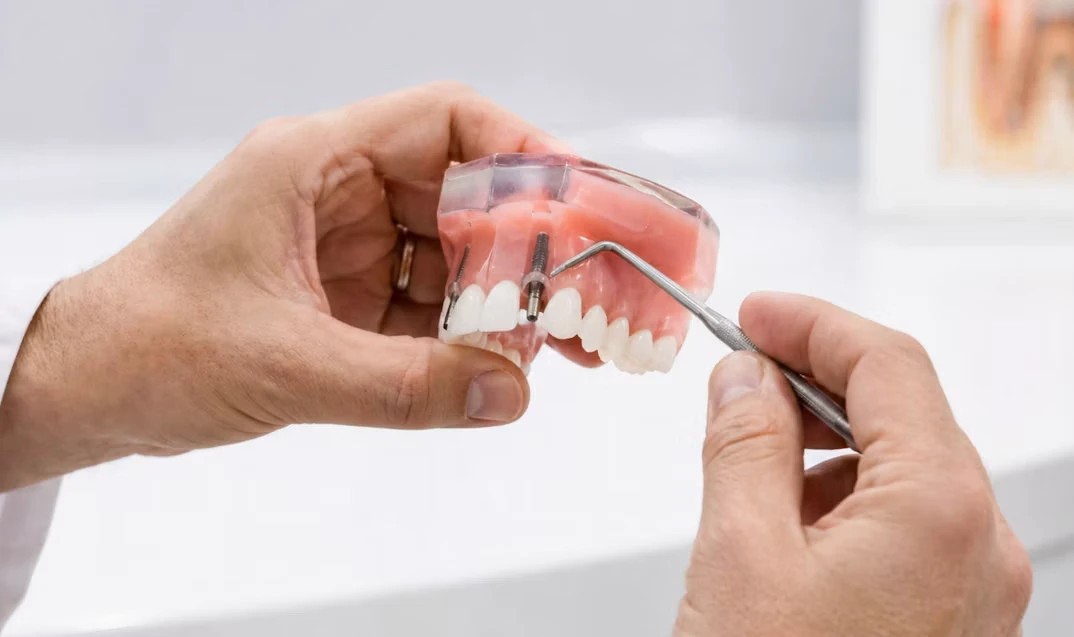
This article looks at what the research says, the difference between the implant and the tooth on top of it, the factors that most influence lifespan, and the early warning signs worth knowing.
What the Research Shows
Implant longevity has been studied extensively. A 2019 systematic review in the Journal of Dentistry focused on modern implant systems and found that the estimated 10-year survival rate at the implant level was 96.4%. Interestingly, the same review identified older age as a factor, with patients aged 65 or older showing a lower estimated survival of 91.5% in the sensitivity analysis.
Longer studies are fewer, but they are encouraging. A 2024 meta-analysis that looked at implants over two decades reported mean survival of 92% across three prospective studies, while stressing that follow-up care is essential and should not stop after placement or even after 10 years.
If you are researching implant treatment, practices that focus on implants, such as carolinaimplants.com, can explain how these averages apply to your own situation, since your bone, gums and health history all shape the outcome.
The Implant vs the Crown
When people ask how long an implant lasts, it helps to separate the parts:
- The implant post sits in the jawbone. Once integrated, it can remain stable for many years and often for decades.
- The abutment connects the post to the visible tooth. Screws can occasionally loosen and are usually simple to fix.
- The crown is the visible tooth. Like any restoration, it is exposed to biting forces, wear and accidents, and it may need replacing during the life of the implant.
Replacing a worn crown is a routine procedure and does not mean the implant has failed.
Early Failure vs Late Failure
Implant problems tend to fall into two windows. Early failures happen during the healing phase, when the bone does not bond to the implant as expected. Causes can include infection, excessive movement while healing, insufficient bone, or health factors that affect healing. These are relatively uncommon and are usually identified before the final crown is placed.
Late failures happen after the implant has been in function, sometimes years later. They are most often linked to inflammation around the implant, excessive biting forces, or mechanical problems with components. Because late problems often develop gradually, regular monitoring gives the best chance of catching them early.
Peri-Implant Disease: The Biggest Long-Term Threat
The gums and bone around an implant can become inflamed in much the same way as gum disease affects natural teeth. There are two stages: peri-implant mucositis, which affects the soft tissue and is reversible, and peri-implantitis, which involves loss of the bone supporting the implant.
These conditions are more common than many patients realize. A 2025 systematic review produced for the American Academy of Periodontology and the AO found patient-level prevalence rates of 46% for peri-implant mucositis and 21% for peri-implantitis. The good news is that early inflammation can usually be managed with improved cleaning and professional care, which is why routine checkups matter so much.
Factors That Shorten Implant Lifespan
Several factors consistently appear in the research:
Smoking. Tobacco reduces blood flow to the gums and impairs healing. A meta-analysis of prospective studies found that smoking was associated with roughly double the risk of peri-implantitis at both the patient and implant level.
Gum disease history and diabetes. The AO/AAP review identified periodontitis, diabetes, smoking and alcohol consumption as significant risk indicators for peri-implantitis. Controlling blood sugar and treating any existing gum disease before implant surgery both improve the odds of success.
Grinding and clenching. Heavy forces from bruxism can loosen screws, chip crowns and stress the bone. A custom night guard is a simple, effective safeguard.
Inconsistent home care. Plaque builds up on implants just as it does on teeth. Skipping cleaning between teeth is one of the most common contributors to problems around implants.
Missed maintenance visits. Professional cleanings and X-rays allow small problems to be found before they affect the bone.
Warning Signs Worth Reporting
Implants do not get cavities, and because they lack the nerve of a natural tooth, problems can be less painful at first. Contact your dentist if you notice bleeding when brushing around the implant, swelling or redness of the gum, a bad taste or discharge, gum receding to reveal metal, a crown that feels loose or moves, or discomfort when biting. These signs do not always mean the implant is failing, but early attention makes treatment simpler and more successful.
How to Help Your Implant Last
You can take an active role in protecting your investment:
- Brush twice daily with a soft brush and clean around the implant every day using floss, interdental brushes or a water flosser.
- Keep regular checkups and cleanings, typically as often as your dentist recommends based on your risk.
- Stop smoking, ideally before treatment begins.
- Wear a night guard if you grind your teeth.
- Report bleeding, swelling, tenderness or any looseness around the implant promptly.
- Keep chronic conditions such as diabetes well managed.
Questions to Ask Before Treatment
Before going ahead, ask your dentist how they assess bone quality, whether you are likely to need grafting, which implant system they use and how long it has been on the market, what follow-up schedule they recommend, and what happens if the crown or a component needs repair down the track. Understanding the maintenance plan upfront is just as important as understanding the surgery itself.
The Bottom Line
Most modern dental implants last well beyond a decade, and many last far longer. The implant post itself is remarkably durable, while the crown may need replacement as part of normal wear. The biggest risks to longevity, such as smoking, gum inflammation and poor maintenance, are largely within your control. With good daily care and regular professional checkups, an implant can remain a stable, comfortable part of your smile for many years.