


Dental emergencies rarely happen at convenient times. A tumble at the playground, an elbow during a basketball game or a bite down on something unexpectedly hard can leave a child or adult with a cracked, chipped or knocked-out tooth. In these moments, knowing exactly what to do can make the difference between saving a tooth and losing it.
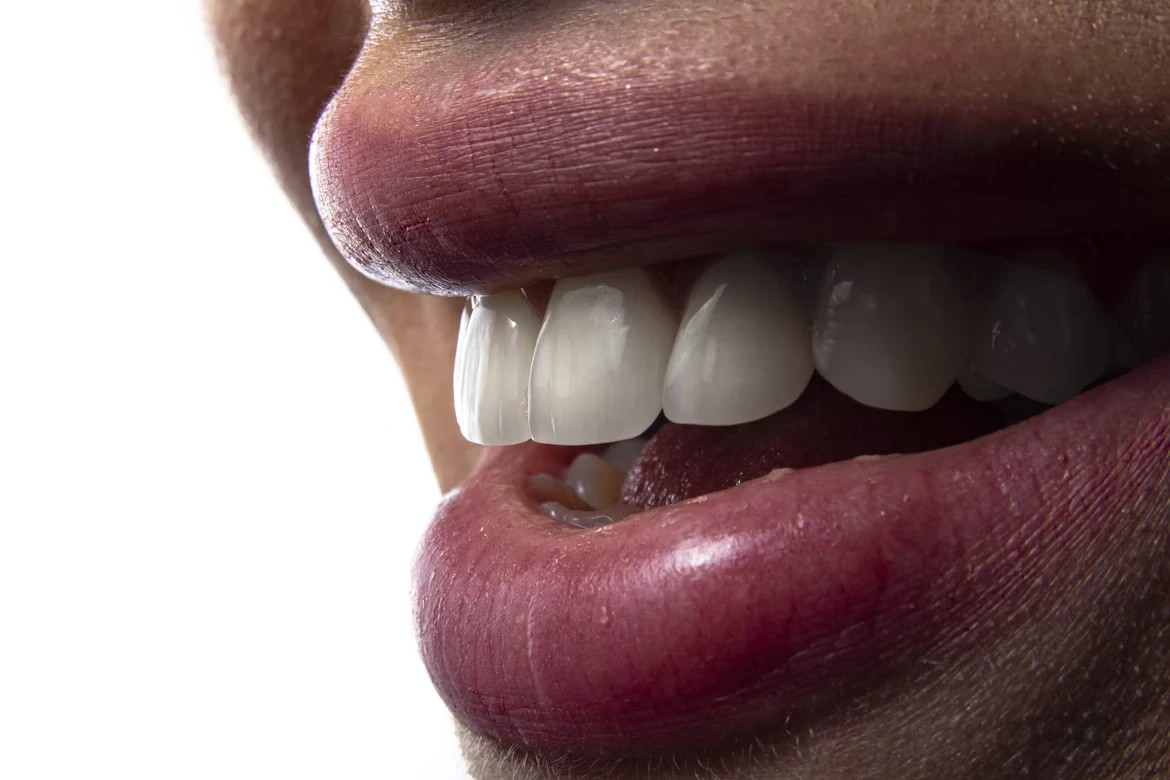
This guide covers the most common family dental emergencies, the first steps to take, and what happens if a tooth cannot be saved.
Knocked-Out Adult Tooth: Every Minute Counts
A permanent tooth that has been completely knocked out, called an avulsed tooth, is one of the few dental situations where speed is critical. The cells on the root surface begin to die once they dry out, and those cells are needed for the tooth to reattach.
The American Association of Endodontists (AAE) and Mayo Clinic both advise that if it can be done safely, the tooth should be reinserted into its socket immediately, facing the right way, and held gently in place by biting on gauze or a clean cloth on the way to the dentist.
Follow these steps:
- Find the tooth and pick it up by the crown (the white chewing part), never by the root.
- Rinse briefly if dirty. The AAE recommends gently rinsing with water alone, with no soap, chemicals or scrubbing.
- Try to reinsert it if the person is calm and able to cooperate.
- If you can’t reinsert it, keep it moist. Suitable options include milk, the injured person’s own saliva by holding the tooth inside the cheek, or an ADA-approved tooth preservation product. Avoid storing it in tap water, and never wrap it in a tissue or let it dry out.
- Get to a dentist fast. The AAE recommends being seen within 30 minutes for the best outcome, although a tooth can sometimes still be saved after an hour outside the mouth.
Save your dentist’s after-hours number in your phone before you need it. For families in Northern Virginia, for example, a practice that handles both everyday care and tooth replacement, such as Vienna Implant & Family Dentistry, can manage the emergency and any longer-term restoration under one roof.
After a tooth is reinserted, the dentist will usually splint it to the neighboring teeth for a period and monitor it closely. Many reimplanted teeth need root canal treatment, so follow-up visits are essential even if the tooth seems fine.
What About a Knocked-Out Baby Tooth?
Baby teeth are handled differently. Baby teeth aren’t re-implanted; families usually wait for the adult tooth to grow in, because pushing a baby tooth back into the socket could damage the developing permanent tooth underneath. You should still call your dentist to check for other injuries and to confirm the whole tooth came out.
Tooth Pushed Out of Position
Sometimes a tooth is not knocked out completely but is pushed inward, outward or sideways, or looks longer or shorter than it should. This type of injury, known as a luxation, also needs prompt attention. Do not try to force the tooth back into place yourself. Bite gently on a clean cloth to stabilize it and contact your dentist straight away, as repositioning is easier and more successful when done early.
Chipped or Broken Tooth
Chips and fractures are more common than full knock-outs. If a tooth breaks:
- Rinse the mouth with warm water.
- Collect any broken pieces and keep them moist, as they can sometimes be bonded back on.
- Apply a cold compress to the cheek to reduce swelling.
- Call your dentist for an appointment, ideally the same or next day.
A small chip may only need smoothing or a tooth-colored filling. A larger break that exposes the inner layers of the tooth may need a crown or root canal treatment. Seek urgent care if you see pink or red in the center of the break, as this suggests the nerve is exposed.
Cracked Tooth or Sudden Toothache
A cracked tooth may cause sharp pain when biting or sensitivity to hot and cold, even when the crack is invisible. Avoid chewing on that side and see your dentist promptly, since cracks can spread.
For a severe toothache, rinse with warm salt water, gently floss to remove trapped food, and use an over-the-counter pain reliever as directed on the label. Do not place aspirin directly on the gums, as it can burn the tissue. Facial swelling, fever or difficulty swallowing can signal a spreading infection and need urgent attention.
Cuts to the Lips, Tongue or Gums
Mouth injuries often bleed heavily. Apply firm pressure with clean gauze for 10 to 15 minutes. If bleeding does not stop, or the cut is deep, go to an emergency department. Any significant blow to the head or jaw that causes dizziness, confusion or vomiting should be assessed at an emergency department first, before dental care.
When a Tooth Can’t Be Saved
Sometimes, despite everyone’s best efforts, a tooth cannot be saved. Replacement options depend on age. For teenagers, dentists usually wait until jaw growth is complete before placing a dental implant, using a temporary option such as a removable retainer with a false tooth or a bonded bridge in the meantime. For adults, an implant, bridge or partial denture can restore the gap. Your dentist will explain the timing and options based on the injury.
Build a Family Dental Emergency Kit
Keeping a few items together can save precious minutes:
- Your dentist’s phone number and after-hours contact
- Small container with a lid
- Gauze and a clean handkerchief
- Over-the-counter pain relief suitable for each family member
- Cold pack
- An ADA-approved tooth preservation kit, if available
Keep a kit at home and consider a smaller version in your car or sports bag.
Prevention Is Still the Best Strategy
Many dental injuries happen during sport. A properly fitted mouthguard is one of the most effective protections for children and adults playing contact sports, skateboarding or cycling. Custom guards made by a dentist offer the best fit and comfort, which means they are more likely to actually be worn. Children’s mouthguards need replacing as they grow and as new teeth come through.
At home, simple measures help too: using safety gates for toddlers, discouraging chewing on ice, pens or hard candy, and making sure older children wear helmets when riding bikes or scooters.
The Bottom Line
Dental emergencies are stressful, but a calm, quick response gives a damaged tooth its best chance. Remember the essentials: handle a knocked-out tooth by the crown, keep it moist in milk or saliva, and get to a dentist within 30 minutes if you can. Preparing ahead with an emergency kit and the right phone numbers means your family will be ready if the unexpected happens.